
Program Manager, HT Institute
2026 Spring Newsletter
Horticultural Therapy is making an impact on people’s lives.
Read more about how it’s happening.
HTI Director’s Note: Activity Design
from Horticultural Therapy Methods: Connecting People and Plants in Health Care, Human Services, and Therapeutic Programs
By Rebecca Haller, HTM

Hi Readers,
In the previous newsletter, we looked at some factors to consider in selecting horticulture activities and emphasized the importance of using the ‘realness’ of the actual garden and seasons. For this article let’s focus on activity design, with the idea that you can support clients to meet a variety of objectives with a wide range of gardening tasks/activities. Through careful design, the therapist can tap into those tasks that are necessary for the garden or greenhouse to flourish.
Let’s examine a very common activity in all types of horticultural therapy programs – propagation by seed. Participating in the magic of seed germination provides opportunities to experience awe, optimism, mindfulness, delayed gratification, success, enthusiasm, accountability, social cohesion, and confidence (to name just a few of the benefits). Key to achieving these experiences are the skillful leadership, support, and activity design of the therapist. A solid background in horticulture helps to achieve successful germination and growing – with knowledge needed in plant selection, timing, soils, and seed/seedling care. Guiding the individual or group to achieve a wide range of goals, desired behaviors, and outcomes requires many skills, including leading, therapeutic use of self, and task analysis. Also, the therapist often chooses the location and materials for use in the activity, which may encompass garden design, physical accommodations, and effective use of resources.
Here are a few examples of things to think about to take advantage of sowing seeds to foster successful client outcomes.
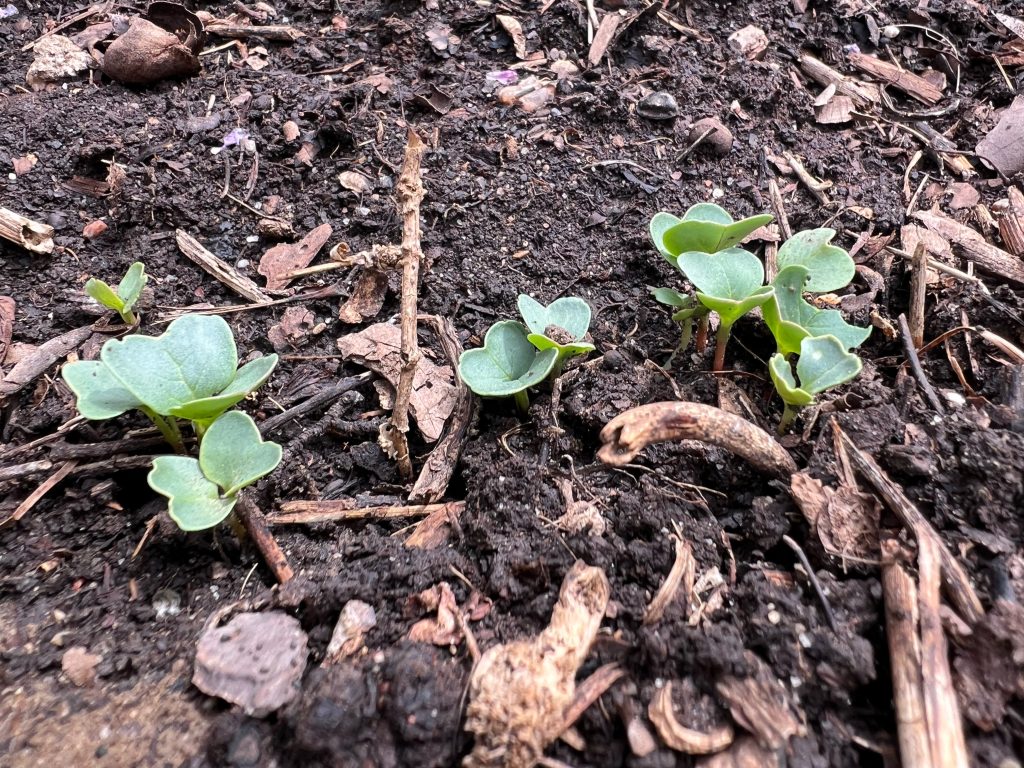
- Consider the location – ground-level or raised beds, with or without row covers, indoor light gardens, a greenhouse with or without a propagation bench, in seed trays or plugs, etc.
- Assess the physical skills needed for seed sowing in different locations and using various methods. Look at bending, reaching, holding, spacing, thinning, tool use, soil prep, eye-hand coordination, vision (to name a few) and take the current functioning of the individual participants into account with the activity and garden design.
- Who is responsible for keeping the seed bed moist for germination? This factor can be built into the activity to promote accountability and responsibility as well as provide a structure or routine for the participant. Of course this makes or breaks the chance for gardening success.
- How will it be watered – hose, watering can with a rose, mister, bottom soaking of seed trays, etc.? Methods are chosen to not only accommodate varied abilities, but also to fit the location of the seed bed, the weather or indoor climate, and the depth of planting.
- Working on the task individually presents opportunities for concentration, independent performance, and self-pacing, while sowing seeds in a group offers the client many chances to work on an array of social skills such as cooperation, taking turns, sharing tools and materials, verbal communication, etc. The therapist arranges the social situation according to treatment objectives.
- Choice and decision-making can be carefully designed into the activity to encourage reasoning, planning, learning gardening techniques, and ‘owning’ the project. Sometimes the therapist makes accommodations for successful task completion by limiting choices, so the task is not overwhelming.
Seed-sowing is not only a common activity in horticultural therapy programs, but it is one of the best for connecting people and plants and offering attention restoration. The therapist uses their expertise to set a framework to successfully use this very real gardening task that encourages close observation and offers the magic of seeds. By adopting the attitude that most gardening tasks can be done with virtually any population served through careful structure and considerations, we empower our clients to be a part of the whole gardening experience.
Happy Learning, Rebecca
Fall Classes now Available for Enrollment
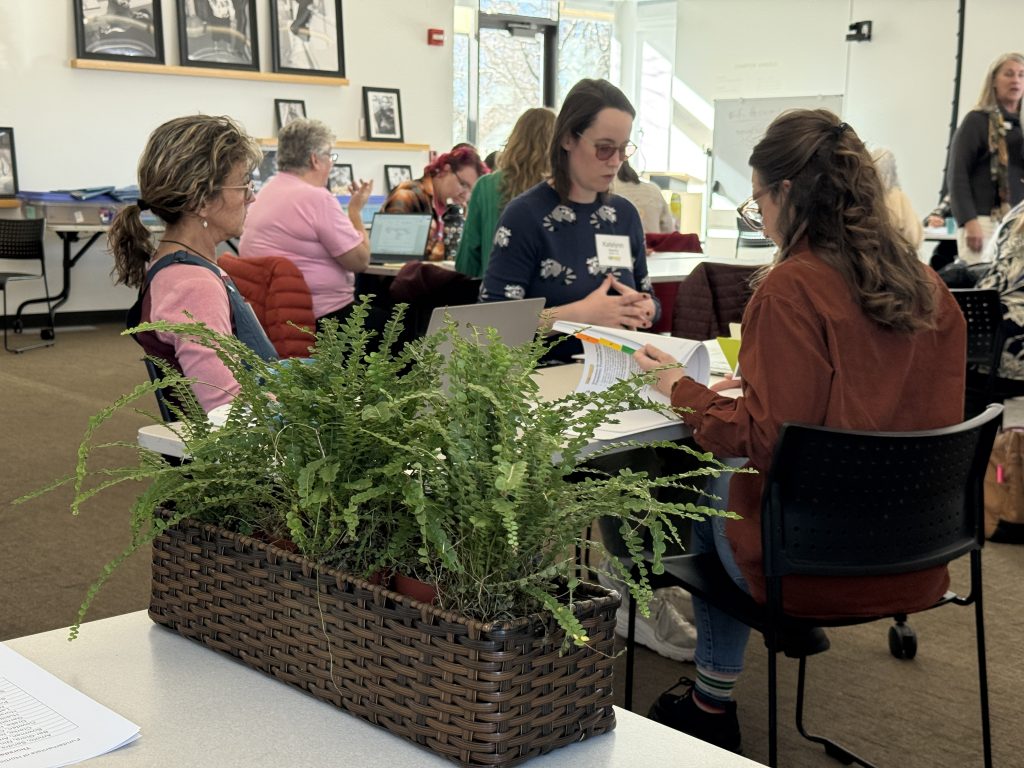
The next cohort for the HT certificate program are now available for enrollment. Learn how to combine a passion for gardening and helping people through the innovative field of horticultural therapy. At the non-profit Horticultural Therapy Institute, our mission is to provide education and training in horticultural therapy to those new to, or experienced with, the practice of using gardening and plants to improve the lives of others. The remaining three classes in the HT Certificate program in 2027 will be announced later this spring.
The HT Institute has provided education in the field for over 20 years and is a leader in HT education. The director, Rebecca Haller, HTM is also one of the authors and editors of both major textbooks in horticultural therapy. The format of classes meets students’ unique learning style and are offered both face-to-face and online (synchronous). All sections are the same class, simply choose one that fits your schedule. The Fundamentals of HT class cost is $950 or $760 for full-time college students. www.htinstitute.org or call 303-388-0500.
Fundamentals of HT sec. I: Oct. 21-24, 2026 (Denver, CO) Deadline: Sept. 21
Fundamentals of HT sec. II: Nov. 3-6, 2026 (online, mountain standard time) Deadline Oct. 3
Fundamentals of HT sec. III: Nov. 17-20, 2026 (online, mountain standard time) Deadline Oct. 17
Program Profile: Care Farming Network
By Sarah Sorci, CFN Program Associate and Kate Mudge, CFN Co-Director
As an HTI student, I loved learning about horticultural therapy’s roots in European and American hospitals and asylums (AHTA, n.d.). Participation in horticulture activities was found to improve patient outcomes, and facilities began intentionally incorporating farming and gardening into treatment programs.
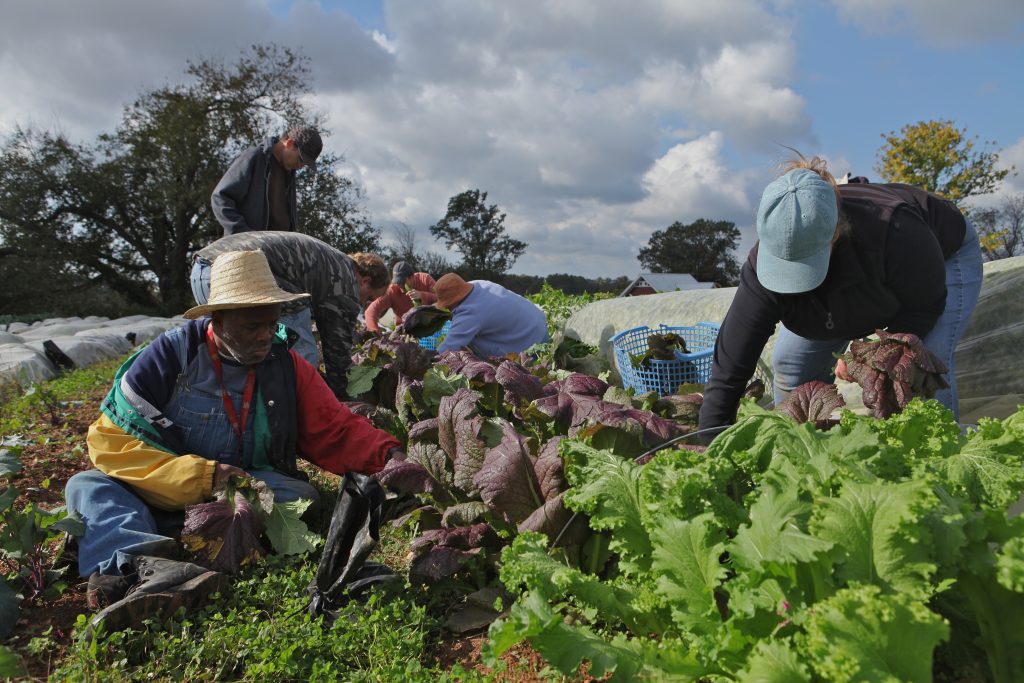
After working as a farmhand on small vegetable farms, I was particularly interested in farms as settings for therapeutic and social programming. I was excited to learn that care farming is widely integrated into health and social care systems in Europe–often supported by public funding. The United Kingdom alone boasts nearly 400 care farms, many of which receive government contracts to provide therapeutic services, vocational training, and social support. In countries like the Netherlands, care farming is embedded into long-term care strategies and considered a viable alternative to institutional or clinical settings. In addition to its notable benefits to participants, care farming generates substantial revenue and jobs for working farms in Europe (Hassink, 2007).
By contrast, care farming remains relatively new and underrecognized in the United States. While interest is growing, U.S.-based care farms face systemic barriers, including limited awareness among policymakers, scarce research, a lack of sustainable funding, and the absence of supportive infrastructure enjoyed by their European counterparts.
Care Farming Network (CFN) was launched in 2021 to help close this gap for care farms in the U.S.
Care Farming Network
Hosted by Maryland’s Red Wiggler Care Farm, a trailblazing care farm with a 30-year history of employing adults with intellectual and developmental disabilities to grow vegetables, CFN is the first and only national initiative dedicated to supporting care farmers across the United States. Today, CFN includes nearly 400 care farms in its online directory–a remarkable increase from just 13 farms listed in 2021.
CFN provides mentorship for new and aspiring care farmers, one-on-one consultations, virtual gatherings on topics like therapeutic beekeeping and fundraising for a care farm, a growing online resource library, networking opportunities such as farm tours and meetups, and an annual conference that unites care farmers, aspiring care farmers, partners, and advocates from across the continent.
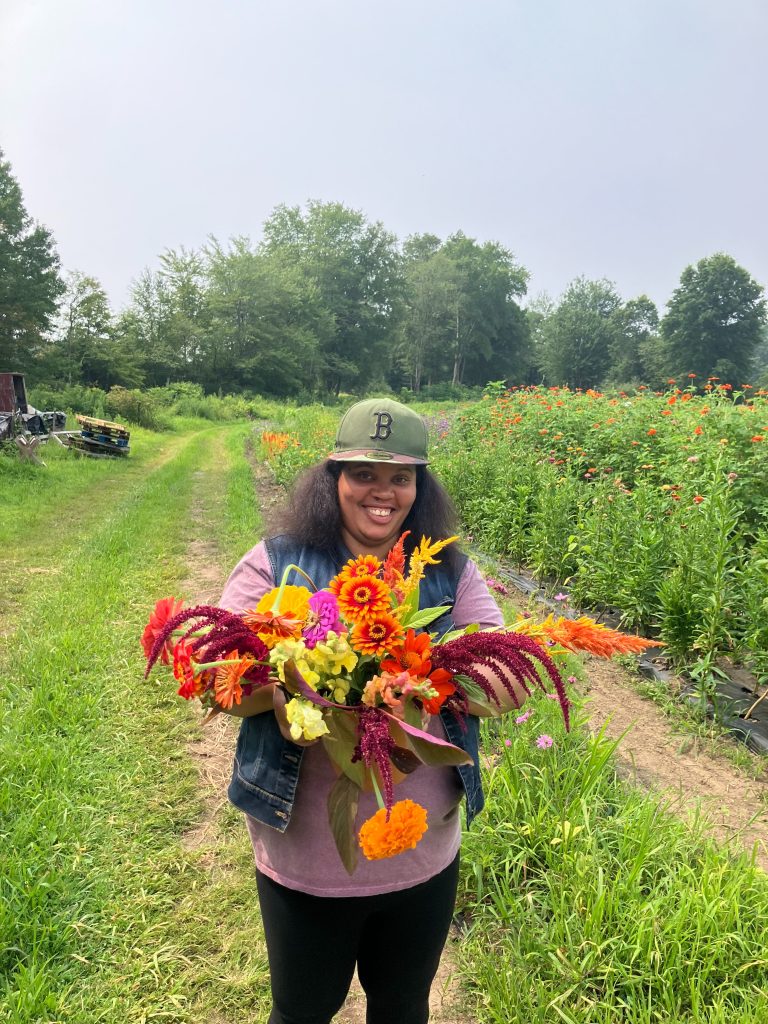
As one CFN member put it: “I had not heard of the term ‘care farming’ until I found CFN. What an incredible relief to find other people doing what I was doing, feeling the same pain points, and having the same joys.”
CFN’s vision is as clear as it is ambitious: a care farm in every U.S. County. To realize this, more research is needed to measure outcomes and establish care farming as a legitimate, fundable practice within U.S. systems of care. We celebrate the work of the UC Davis Green Care Lab, researching animal behavior, stress physiology, and behavioral neuroendocrinology, and Simple Sparrow Care Farm in Texas, whose ongoing research efforts explore how “care farming WORKS” (Simple Sparrow Care Farm, n.d.). These and other projects are helping to build the foundation for broader recognition and systemic support.
Where Do Care Farming and Horticultural Therapy Overlap and Diverge?
CFN defines care farming as “the intentional integration of agricultural practices with therapeutic interventions to promote health, well-being, and belonging.” Care farming offers a purposeful, structured approach where participants engage in nature or agricultural tasks within a supportive community.
While some care farms engage in horticulture (cultivating vegetables, fruit, flowers, herbs, native plants, or producing seed), care farms utilize a variety of agricultural practices including beekeeping, mushroom cultivation, aquaponics, animal husbandry and equine therapy. Like horticultural therapy, care farming provides care and support to diverse populations, including people with intellectual and developmental disabilities (I/DD), veterans, trauma survivors, and people in recovery.
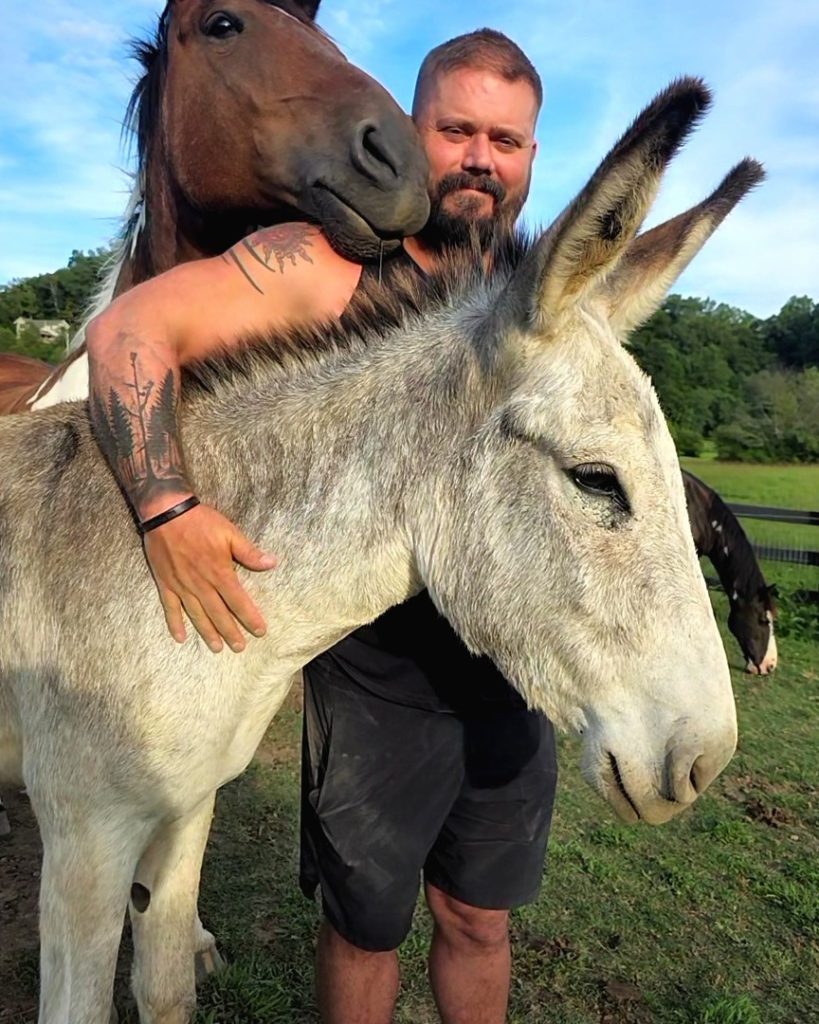
As a Horticultural Therapy Institute student, I learned that goal setting and tracking is a cornerstone of horticultural therapy (and other types of therapy). Whether working toward an individual’s fine motor skill milestone or a group’s socialization goals, horticultural therapy generally documents progress over time–demonstrating its efficacy in the process.
While care farming is often shaped by participant goals, there tends to be a greater focus placed on the farm setting. On a working farm, participant goals are often balanced with an urgent production schedule. Rather than detracting from participants’ progress, this can encourage participant motivation and a sense of purpose. On care farms without a licensed therapy or horticultural therapy component (e.g. a care farm whose focus is employing underemployed groups and paying a living wage), the farm setting itself provides “therapeutic” benefits through nature connection and social inclusion.
That said, there is a great deal of overlap between these fields. Many care farms provide therapeutic horticulture and/or employ registered horticultural therapists to provide programming.
HT/TH on Care Farms: The Farm at Penny Lane
At the 2026 Care Farming Network National Conference, Sarah Tanke, HTR discussed the Therapeutic Horticulture (TH) programming she provides at The Farm at Penny Lane/North Carolina Botanical Garden in her presentation, Therapeutic Horticulture: Building Inclusive Programs that Heal and Connect. Sarah shared how structured, goal-oriented activities with plants can deepen care farming practices and support diverse participant needs.
At The Farm at Penny Lane, TH is woven into daily farm life to serve adults with Severe and Persistent Mental Illness (SPMI). In their Therapeutic Horticulture Garden Club, goals include lowering anxiety, boosting mood, encouraging physical activity, and increasing socialization. In the Growing Stronger group, goals include building everyday strength and mobility through outdoor movement and gardening.
For conference attendees without HT or TH training, Sarah addressed the following question: “How can I design effective and impactful activities?”
Sarah shared a seed starting activity plan that includes intentional steps to support participant goals. By requiring group members to share tools, encouraging participants to take the lead and problem-solve, and inviting participants to share past experiences, participants make progress while the farm’s planting needs are met.
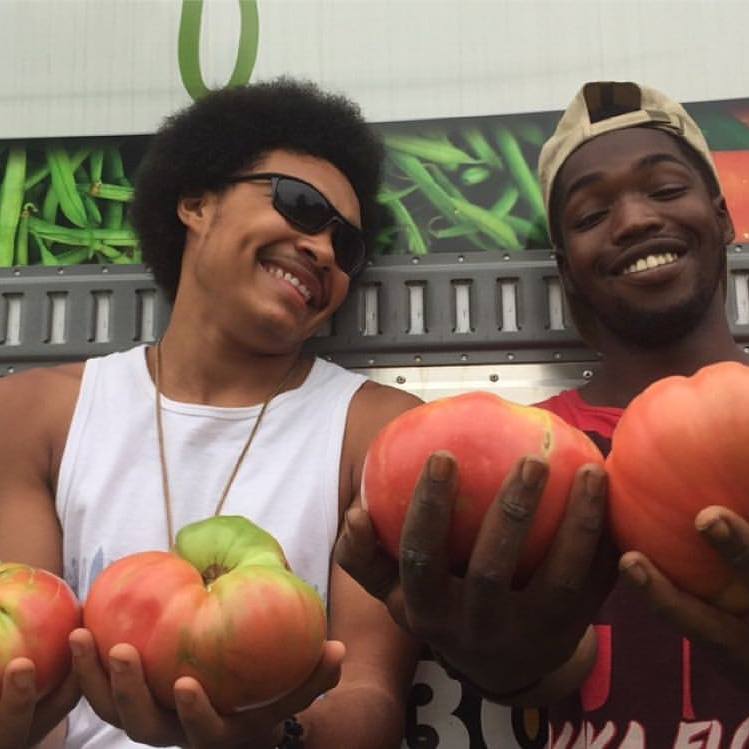
Sarah’s final takeaway was something HT students and graduates know: any activity can be adapted to fit the goals of a group or individual participant. Sarah encouraged attendees to register for a TH or HT educational program if they’d like to develop these programming skills further.
Learn More & Get Involved
We’re grateful for the expertise of HTRs like Sarah Tanke, and students and graduates of programs like HTI, for their contributions to the care farming field. Below are ways that CFN may support your path in horticultural therapy:
- We share care farm job postings in every monthly newsletter, and we encourage HTI students and graduates to apply. Sign up for our newsletter here.
- Looking to network or volunteer in your region? Our Member Directory map includes nearly 400 care farms and aspiring care farmers in the US and Canada. CFN also hosts regional farm tours to encourage community building; receive updates in our monthly newsletter.
- Our free online Resource Library provides materials on starting a care farm; financials and funding; care farm research demonstrating the benefits of care farming; adaptive farming resources; care farm models; and more.
Learn more about Care Farming Network on our website and with these short videos:
- This is Care Farming (2026)
- What is Care Farming? (2022)
Citations:
American Horticultural Therapy Association (AHTA) (n.d.). About Horticultural Therapy. https://www.ahta.org/horticultural
Hassink, J., Zwartbol, C., Agricola, H. J., Elings, M., & Thissen, J. T. N. M. (2007). Current status and potential of care farms in the Netherlands. NJAS: Wageningen Journal of Life Sciences, 55(1), 21–36. https://doi.org/10.1016/S1573-5214(07)80002-9
Simple Sparrow Care Farm (n.d.). Research & Resources. https://www.simplesparrow.farm/research
Sarah is a graduate of the Horticultural Therapy Institute and Care Farming Network Program Associate.
Tips for Practice:
Cultivating a Healthy Self in an Unhealthy World
By Megan Krivsky
Restoring Balance and Honoring Diversity Through Therapeutic Horticulture
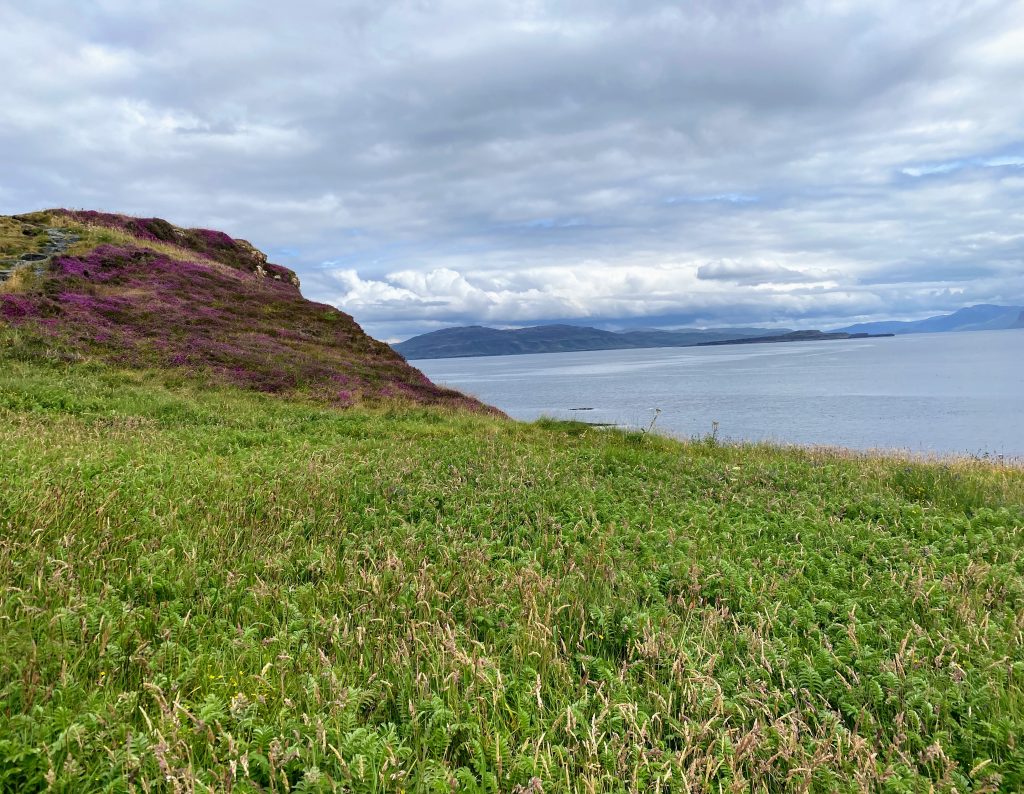
I sat on the edge of a molten lava cliff overlooking the vast ocean, noticing how the ancient salty waters collided with the rough dark earth – once liquid form, now steady, solid, and unmoving. Feisty yet playful waves continuously rolled over the earth leaving behind little pools amongst the hardened lava flow. I closed my eyes and listened to the rhythm of the ocean–one of constant movement, both a song and a dance performed for millennia. I watched the steady earth hold its ground as the wild carefree waves crashed into it time and time again. A structure for the movement, a balance of earth and water that creates inhabitable spaces for so many different species. Without one or the other, life on earth would be nothing like we know today–humanity would be nonexistent. But the balance of elements present on earth has created an inhabitable ecosystem with an estimated 14 million species, although many are undiscovered (Center for Biological Diversity, n.d.).
The balance between the movement of the water and the grounded strength of the land allows each element to be fully itself. The water plays, dances, sings, and shouts within the structure of the land. The land holds a foundation for many beings to explore, place roots, live, and relate with one another. There are also spaces of transition – where the water touches the land and where the land experiences the ocean’s touch. In these spaces of transition, the elements are shaped. The earth holds a shape for the fluidity of water, and water shapes the earth beneath it–sometimes forming canyons, sometimes smoothing jagged edges. Each plays a vital role, just as the different elements alive within us do. Balance doesn’t exist without diversity and diversity will not flourish without balance. Balance and diversity are essential for life.
The Restorative Nature of Therapeutic Horticulture
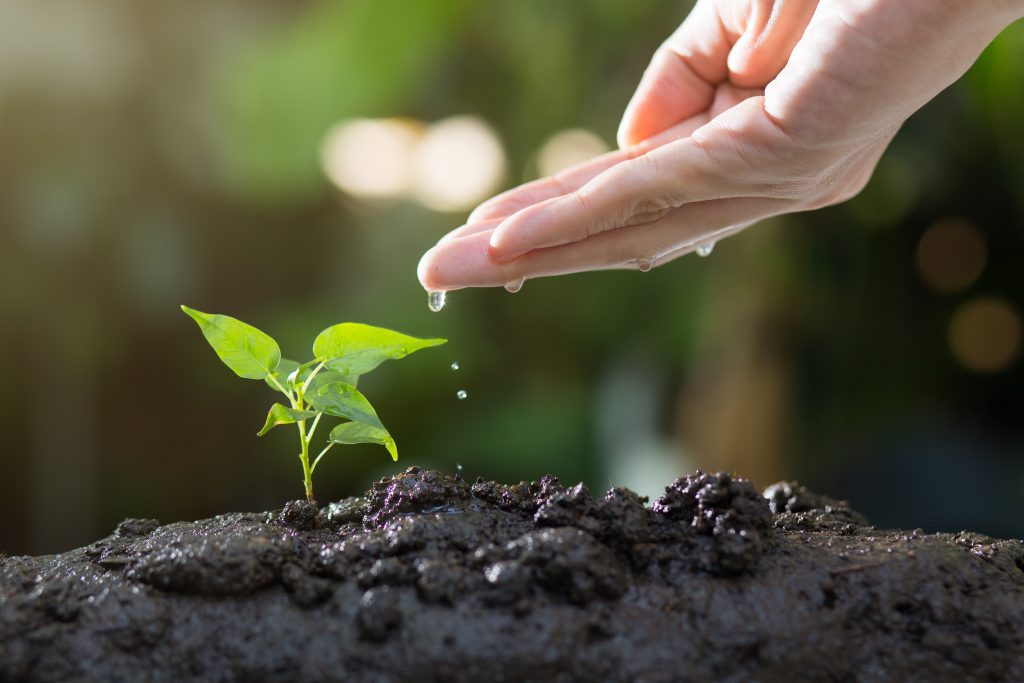
Therapeutic horticulture practices are innately restorative. They recognize imbalances that are detrimental to health, wellness, and quality of life, and create attainable goals to restore balance. Whether a client is working toward physical, cognitive, vocational, or social-emotional goals, their sense of self is often in a dynamic process of change and discovery that can be supported through engagement with plants and cycles of nature. As personal identity shifts, it’s critical to consider relationships and systems beyond the client that may impact the foundational environment of growth. As we tend to gardens, we notice that where there are deficiencies in soil nutrients or an excessive number of weeds, plants produce smaller and fewer blooms. Similarly, individuals in environments lacking nourishment, safety, and support struggle to thrive. Bringing awareness to these foundational imbalances is a primary step in restoring internal balance and honoring the diverse nature of everyone.
Acknowledging historical imbalances in human systems that have created deep seeded wounds on both communities and individuals allows the practitioner to take a culturally informed perspective. Awareness of current events is equally crucial to understanding external factors that may be impacting the client. It is natural for individuals to experience psychological impacts in response to ongoing environmental degradation and systemic disruption affecting both human and ecological systems. You may encounter clients who have been direct victims of systemic violence, and you will likely encounter clients who are impacted from awareness of these imbalances. As a practitioner, it’s also natural to feel the weight that accompanies awareness of the violence of imbalance and unjust destruction. Through acknowledging elements that are creating imbalances both internally and externally, we can identify goals and create pathways for restoring our environments.
Cultivating Groundedness through Horticultural Therapy
Finding internal groundedness allows us to show up in the world with more confidence and resiliency. As defined by psychologist William Cahalan:
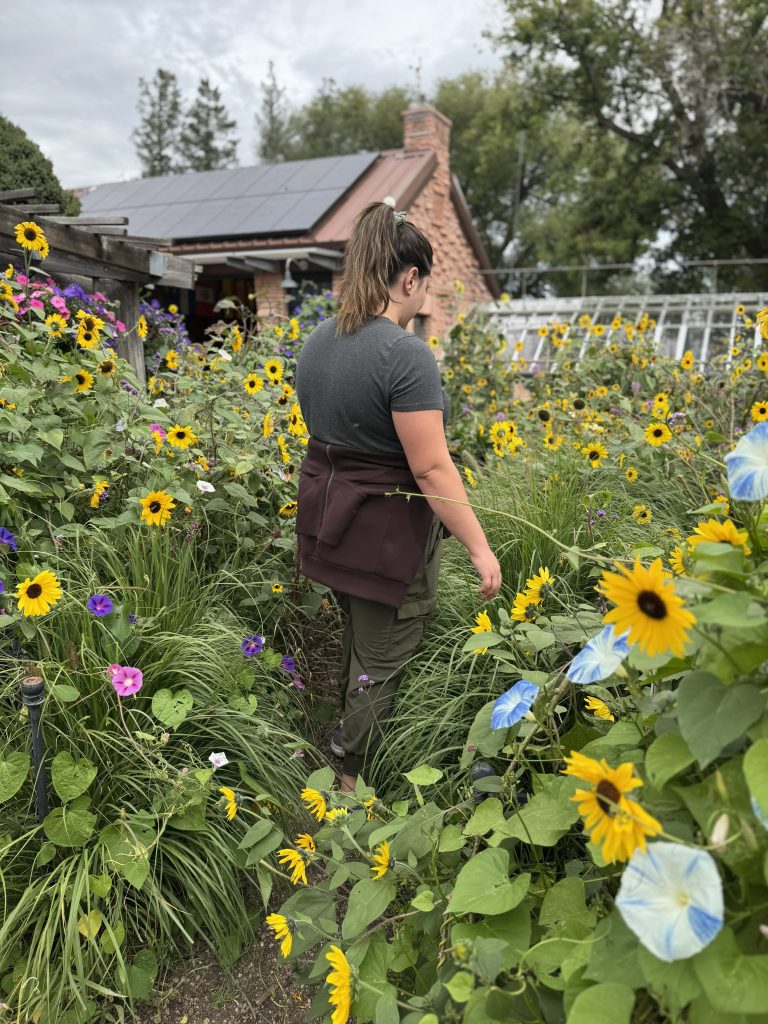
“Groundedness is a dynamic state of the person that includes the sense of confidence, pleasure, and wonder resulting from progressively deepening contact with the wild and domesticated natural community of the person’s neighborhood and larger land region: with unpaved ground, soil, or landscape; with weather and the diversity of native plants and animals; and with human family, neighbors, and local cultural activities.” (p.217)
When working with clients who may be experiencing anxieties, and unsettling emotions, focusing on creating internal groundedness allows the client to return to a balanced state.
One technique for cultivating internal groundedness includes combining horticultural therapy techniques. In the psychotherapeutic approach of Internal Family Systems (IFS), healing is seen through a lens of identifying different parts within ourselves and learning the role each is playing in order to identify what parts are creating imbalances within our internal system (Psychology Today, n.d.). Through horticultural therapy, the therapist may use the garden, or an individual plant, as a guide for the client. This may look like asking the client to notice all of the different parts of the garden. The client may notice blossoms, soil, diversity, weeds, water, bugs, smells, sounds, and more. Then ask the client to reflect on the garden within themself. Guide them in drawing connections to parts of the garden. For a client who is working on managing anxiety that hinders their ability to do daily life tasks, this may look like drawing connections to the roles of different garden elements, and the role anxiety is playing in their life.
I was gardening with a friend for a landscaping client last week who had a garden that hadn’t been tended to in a while. My friend, who is someone who struggles with intense anxiety asked me what kind of techniques I use in horticultural therapy. I shared one that related to the gobs of bindweed I was pulling out. Bindweed is a fascinating invasive weed. It’s resilient and has quite pretty blossoms. It often learns to mimic the plant that it grows on, utilizing branches of small shrubs to wrap itself tightly around. The roots of this vine are deep and long, making eradicating it very difficult. At times I would think I had the root, only to sever the vine, knowing it would grow back rapidly. I find anxiety to be like this. It tends to choke out the parts that were planted to flourish. It’s often easier to find ways to remove it for a moment but eradicating it from its root is nearly impossible. In this way, the goal becomes about building a relationship with anxiety, with the bindweed, knowing it will be a part of the garden, a part of our internal family. With this in mind, we can work on how we relate to that part. As we guide clients in horticulture work such as weeding invasive plants, the client can find balance and appreciation for parts within themself that tend to create imbalances that hinder the core self – one that is confident, curious, compassionate, creative, and connected, from blossoming. I don’t like bindweed. Sometimes it creates a lot of frustration, but I have found an appreciation for how it draws my attention deep into the soil, how it brings me to the roots of both the parts of the garden I want to thrive, and the parts I need to weed in order to have a balanced foundation.
In working with clients who have physical treatment focuses, such as visual deficits or muscle weakness, this may look like helping the client relate with those parts of themself. Creating space to honor physical diversity is a foundational piece of balance and healing. This takes pressure off an expectation to be like others and refocuses on the person. Defining their specific attributes, needs, strengths and pains allows for deeper acceptance, harmony, and appreciation for diversity. Cultivating healthier systems within allows us to remain grounded as we move through life, enhancing resiliency, sense of belonging and healthy functioning in imbalanced environments.
Balanced Ecology: Remembering the Practitioner
In creating a practice that restores foundational balances, it’s crucial to remember that as a therapist, practitioner, educator, or leader, you are also part of the client experience. Drawing on ecopsychological theory, awareness of the interconnected web between all parts of the ecosystem is critical to restoration. Professional responsibility in this field includes mindfulness of your own internal state, as you play a significant role in therapist-client relationships.
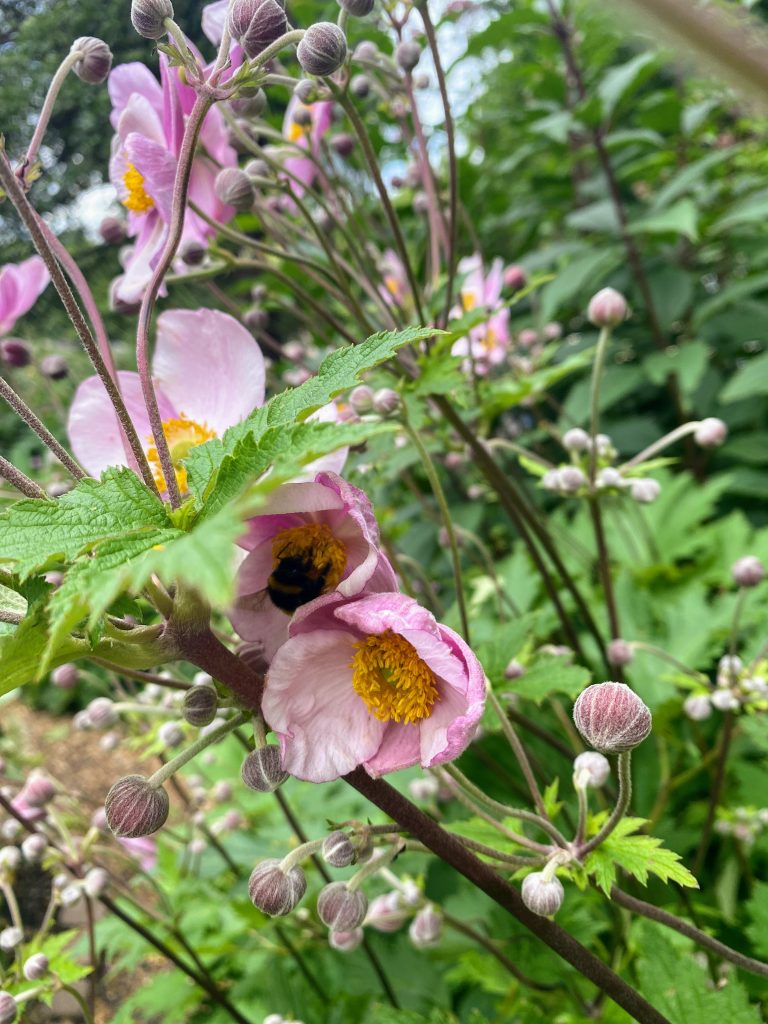
With global conflicts occurring, we are all impacted in some way. Every practitioner is also human and has their own internal and external world to tend to. It can be challenging to find a balance in helping professions between tending to our own needs and showing up as a grounded part of the client’s experience. When we prioritize space to restore balance within ourselves, we are cultivating a part of the whole system. Similarly, if you are working on a team with other staff members, encouraging personal groundedness within the company enhances system wellness.
Self Care for Staff:
Create a realistic daily routine onsite.
- Schedule 10-30 minutes at the beginning of the day to be present with nature.
- As you enter this time, create structure for this space through crossing a threshold, or boundary (can even be imaginary).
- Focus on you during this time. This is a time to honor the transition into work.
- Notice your emotions. Allow them to flow through how they wish.
- This may look like laughter, tears, smiles, cussing, stillness, or a combination of different things. Just like water, emotions need space for movement.
- Bring your focus to your physical connection to the planet.
You may guide yourself through your breath, sensations, and thoughts. Here is an example:
As you breathe in, notice the oxygen nourishing your body and becoming a part of you. Remind yourself that it was once a part of the plants around you, transformed through photosynthesis (Adler, 2022). As you exhale, remind yourself that this carbon dioxide will be used by the plants around you for growth. You are interconnected through breath. Bring your attention to the areas of transition – where your skin meets the air and where your feet meet the earth. Focus on the connection–the relationship. What energy are you sending into the earth? What energy is the earth sending up through your body? Just as the earth holds microorganisms and nutrients for plants to grow, it also holds you. In this exchange, recognize that you get to be a part of this system that cultivates health for both the planet and people. Allow yourself to notice any parts of yourself that seem extra loud. Spend time acknowledging them. Notice any judgements that arise and release them–just like we remove weeds from a garden bed. Ask the earth to cultivate restoration within. Allow space for listening. This encourages self-discovery, which creates pathways for relating to the self in a healthy way.
Part of groundedness is recognizing imperfection and relating to our own imperfections with gentleness and grace. As we approach the relationship with ourselves from a place of love, kindness, and humility, we are better able to view external relationships in the same way. Forming habits around creating rituals in transition enhances flow in integration. As your time for self-care closes, you may express gratitude towards the earth, and yourself, or whatever is coming up from you. Then you may move through a “threshold” (an entrance, archway, door, fence, imaginary line) to create intention around the transition from that time to client-sessions.
Program Design Application
Designing programs with foundational balance and room for change when imbalances occur will encourage restoration, harmony, and diversity within the staff, clients, and the earth. This includes noting the reciprocal nature of relationships and creating structure for these relationships to find their rhythm.
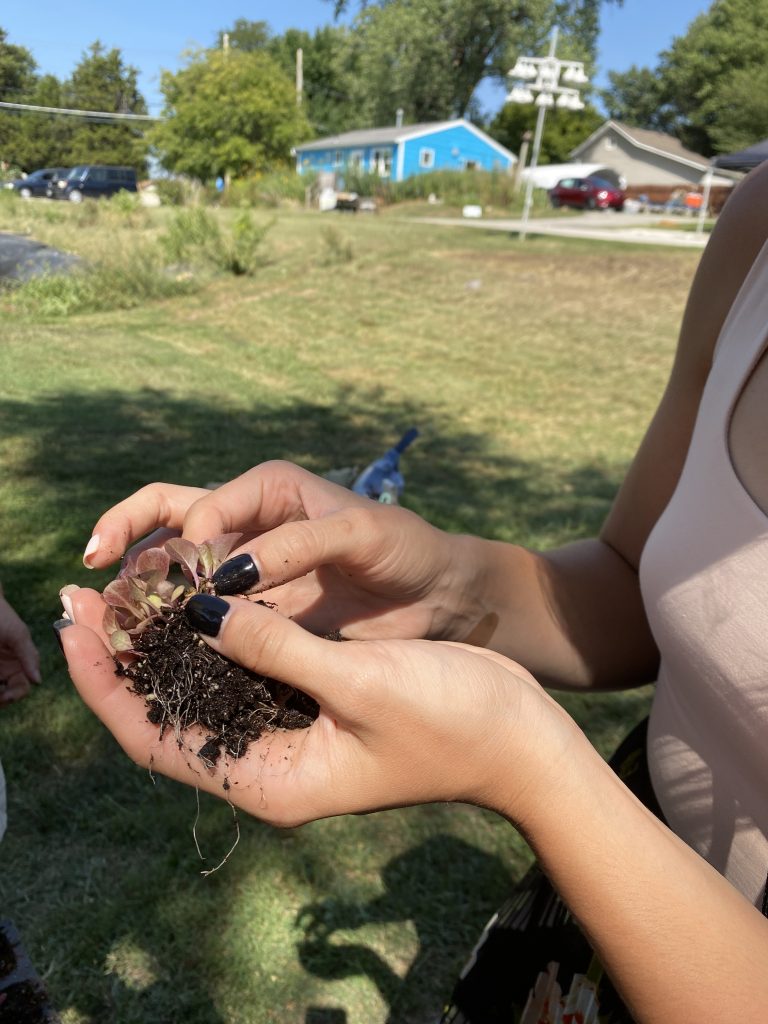
Here are some examples of components to include:
- Therapist-client greeting and check-in (personal and goals); builds rapport and alignment
- Ecological grounding activity (ex. guided meditation, intention setting, forest bathing)
- Gentleness and intention in task transition
- Plant-person horticultural activity (planting, weeding, pruning, harvesting, etc.)
- Space for reflection
- Honoring what emotions arise.
- Space for tending to these emotions as needed.
- Honoring the transition out of session into the rest of their day
Conclusion
Therapeutic horticulture is inherently a practice of balance and diversity. Tending to the earth engages both the mind and body in a way that enhances understanding of the rhythms present within healthy and diverse communities (Shapiro, p. 226). Relating with diversity within nature increases an appreciation for diversity. Utilizing a systems approach through people-plant interaction allows one to balance attention between inner and outer worlds, working with different parts to restore relational balance, enhance appreciation of our inherent diversity, and develop a grounded self. Restoring inner balance empowers people to honor the diverse nature of themselves – the parts that are loud, the parts that are hidden, the parts that are angry, silly, sad, happy, grieving, loving, dying, growing – every part of the whole. As we cultivate systems of balance, diversity can flourish, creating a healthier whole.
References
Adler, R. (2022). Carbon cycle. In Research starters: Earth and atmospheric sciences. EBSCO Research. https://www.ebsco.com/research-starters/earth-and-atmospheric-sciences/carbon-cycle
Center for Biological Diversity. (n.d.). Elements of biodiversity.https://www.biologicaldiversity.org/programs/biodiversity/elements_of_biodiversity/
Cahalan, G (1995). Ecological Groundedness in Gestalt Therapy. In T. Roszak, M.E. Gomes, & A.D. Kanner (Eds.), Ecopsychology: restoring the Earth, healing the mind. (pp. 234-239). Counterpoint.
Shapiro, E. (1995). Restoring habitats, communities, and souls. In T. Roszak, M.E. Gomes, & A.D. Kanner (Eds.), Ecopsychology: restoring the Earth, healing the mind. (pp. 234-239). Counterpoint.
Psychology Today. (n.d.). Internal family systems therapy. https://www.psychologytoday.com/us/therapy-types/internal-family-systems-therapy
Megan is a recent HTI graduate
HTI Kudos
Two Graduates Receive Credentials
Carrie Budd, a graduate of HTI and resident of Harrisonburg, Virginia received her Therapeutic Horticulture Practitioner (THP) credential in February 2026. She established her business Horticultural Wellness, LLC in the Fall of 2025 and is currently focused on implementing a therapeutic horticulture program for older adults at Bridgewater Retirement Community. In addition, she is spreading awareness of horticultural therapy by presenting to classes at a local college, assisting Girl Scouts with gardening badges and doing volunteer workshops for children at a local community garden.
Tada Dalotto, HTR is creating a horticultural therapy sanctuary on the Big Island of Hawai’i where he will offer horticultural therapy services, special events, and retreats for individuals and small groups. The sanctuary is a tropical food forest in the lower Puna District just a 4-minute walk from the ocean, and an ideal therapeutic environment for wellness, yoga, garden/forest bathing, collaborations with other types of therapists, and horticultural therapy sessions for people challenged with depression, anxiety, stress, trauma, neurodiversities, and other mental & physical challenges. Tada is currently accepting clients and guests, and will fully launch his practice & sanctuary in September, 2026. His website is www.ecotonehealth.net and can be reached at [email protected].
International People Plant Conference
As reported in the Winter HTI newsletter, several HTI graduates will be presenting at the International People Plant Conference in Japan this summer. We are happy to report that another student has been accepted to present as well! Congratulations to Dr. Catherine Grant Peoples, LCSW who will present the following: Licensed social workers and their clients can benefit from nature-based interventions that strengthen nature connectedness, support holistic wellness, and encourage respect and reciprocity with the environment. Grounded in Indigenous Wholistic theory and approaches like Two-Eyed Seeing (integrating Indigenous and Western knowledge), these practices emphasize the interconnected physical, emotional, mental, social, and spiritual dimensions of health, as well as the idea that people and nature support one another. Interventions such as horticultural therapy, therapeutic horticulture, awe walks, guided imagery, labyrinth walking, and grounding are linked to reduced stress, improved mental and physical health, stronger cognitive functioning, and increased social connectedness across green, blue, and yellow spaces, including through biophilic design in urban settings. As ecological grief and eco-anxiety increase, an ecocentric perspective equips social workers to support clients, promote pro-environmental behaviors, and advocate for environmental justice and community wellness.