Part II/Colleen Griffin, HTR
This is the second post in a series of three in which HTI regular contributors will share indications that nature-based interventions are getting increasing recognition and traction in their part of the world.
The Benefits of Nature-Based Interventions are Coming into Focus within the Healthcare, Education and Community Wellness Programs Across North America
But first… a few words regarding the 2024 AHTA Conference
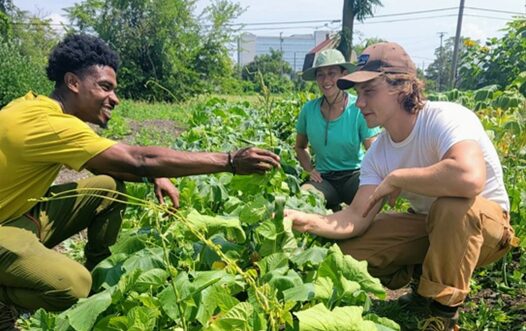
This past October the annual AHTA (American Horticultural Therapy Association) Conference was held in-person in Raleigh-Durham, North Carolina. The conference embraced the theme of “Collective Effervescence, Honoring Collaboration in Times of Change”. Meeting in-person is more of a novelty, in our post-pandemic world, yet always an uplifting and engaging experience. Laura Simonds-Rumpf and Sara Rodriguez, co-chairs of the conference work team, sensed positive and contagious energy. “The conference was a place of connection, wisdom, discussion and progress. Speakers and attendees alike sparked a collaborative vivacity that was poignant and opened space for continued conversations and relationships!’
Lana Dreyfus, immediate past president reflected, “The future of AHTA is looking bright! During the past two years we have had goals of making AHTA strong and changing the culture of AHTA. I believe those goals were accomplished. AHTA now has Revolution AMC as its management company with new ideas, and excellent experience in exam credentialing. Marketing will also be key in the next year. Between marketing and exam credentialing AHTA will grow its membership as we continue to look at diversity, inclusion, and equity for all. A strong AHTA will strengthen the profession of horticultural therapy.”
Nature Based Intervention Awareness November
At its core a nature-based intervention (NBI) is an organized activity, strategy, or program specifically designed to improve quality of life. NBIs can be active or passive activities. In our post-pandemic world, much research has been (and continues to be) produced with a particular focus, utilizing nature-based interventions to deliver much needed therapeutic care to those in need. Another sector that current research has focused on is nature-based education. Can nature-based learning engage and inspire students in a technology driven education system? This research has a direct impact on the awareness and acceptance of NBIs, like horticultural therapy, within mainstream healthcare and educational systems.
Our Overburdened Healthcare System

Current challenges facing the American healthcare system are multi-faceted. Lack of healthcare workers, rising costs, and accessibility inequities are just a few of the issues that interfere with quality of care for the American public. Due in part to a plethora of recent, evidence-based research, mainstream healthcare is now turning its attention to NBIs as part of an overall solution.
Evidence of this shift in awareness is becoming more conspicuous throughout the medical field. The following offers a few examples that highlight this shift in awareness toward NBIs and specifically, horticultural therapy.
Lifestyle Medicine-is a medical specialty that uses therapeutic lifestyle interventions as a primary modality to treat chronic conditions including, but not limited to, cardiovascular diseases, type 2 diabetes, and obesity. Lifestyle medicine applies evidence-based, whole-person, prescriptive lifestyle changes to treat and reverse such conditions. Applying the six pillars of lifestyle medicine—a whole-food, plant-predominant eating pattern, physical activity, restorative sleep, stress management, avoidance of risky substances and positive social connections—also provides effective prevention for these conditions. The six pillars of lifestyle medicine can all be directly related to the practice of HT. The Lifestyle Medicine website can connect you with a professional in your area.
An example of a successful lifestyle medicine program can be found at the University of Vermont Medical Center, in Burlington, Vermont. Culinary Medicine hosts programming at two therapeutic gardens. The Learning Garden is located on the UVM medical campus and the Rooftop Garden located on the medical center roof. Both locations offer programs focused on nutrition, physical activity and using all five senses to reduce stress and improve overall well-being.
The American Psychiatric Association has recommended a book written specifically for those working within the field of mental health counseling. “Nature Therapy, offers a way in to remembering what the mental health field has forgotten: how nature can augment traditional medical treatments to restore, heal, and even prevent potential illness.” The authors go into detail about the empirical evidence supporting NBI, which includes horticultural therapy as a viable and effective therapeutic modality.
The Veterans Administration-to serve more veterans in a timely manner, the VA has instituted a Community Care program that partners with healthcare providers outside of the VA. With Community Care, veterans can access health care services closer to home and typically faster than using the traditional system of care. Whole Health is one such program. Using a person-centric approach, veterans are paired with service providers within their community or local area. Gardening has become a popular activity within Whole Health. Many VA facilities are offering gardening programs to enhance social connections and improve overall well-being. The opportunity for an HT/TH is obvious and would greatly enhance VA gardening programs.
Nature-Based Learning Creating Environmental Stewardship
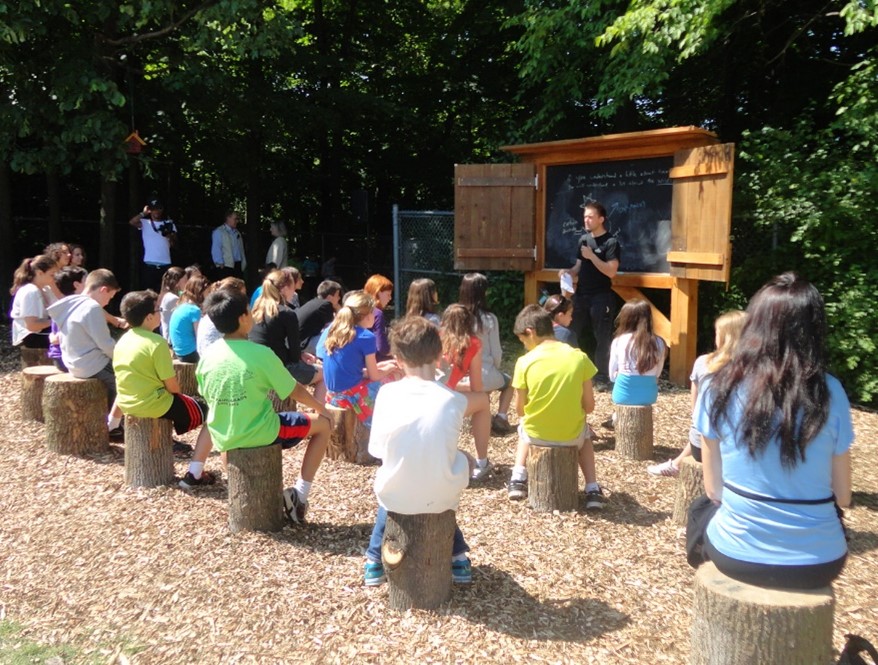
Nature based learning (NBL) is an approach to education that involves exposure to natural environments and nature-based interventions. Early childhood NBL classrooms have shown highly positive outcomes. Research shows that young children exposed to an outdoor classroom excel in social, emotional and cognitive development well beyond their peers in a traditional classroom. Benefits of an outdoor learning environment include nature connectedness, collaboration with peers, problem solving and developing a sense of community. NBL also supports science, math and communication skills in young learners. Children with autism spectrum disorder, who are exposed to NBL benefit greatly as well, with improvements in their sensory, social, and behavioral functioning. In the past 15 years, NBL preschools have increased 300% throughout the US. NBL has been very successful with high school students as well. It promotes much needed environmental stewardship, nature connectedness, physical activity and a positive sense of self.
Community Wellness Garden Programs:
Growing More than just Vegetables
Healthcare without Harm– brings together healthcare professionals and community partners to develop community health interventions that promote healthy food access and healthier food environments. Collectively, one-third of U.S. hospitals are part of the Healthcare without Harm network, many of which are connecting their food systems work to their community health mission. These programs work to improve the long-term public and environmental health of their communities by developing community garden networks. The “Delivering community benefit: Healthy food playbook” highlights the progressive work of leading hospitals across the US.
GrowGood-a Los Angeles based nonprofit that uses urban agriculture to transform communities and change lives by growing food, creating jobs, and providing nature-based health care interventions. Participants of GrowGood share their stories in a mini documentary about how this urban farm is using healthy food and gardening as a catalyst for healing.
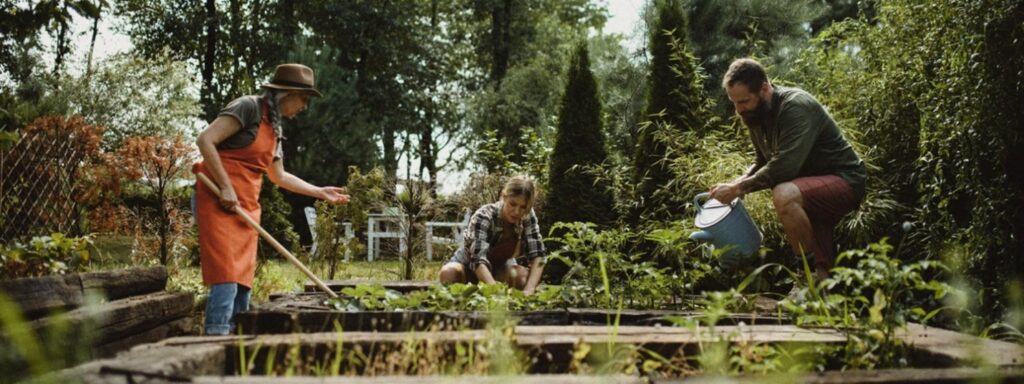
American Public Gardens Association– this is a resource hub for urban ag and community gardens across the US. In 2020, the United States Botanic Garden (USBG) and the American Public Gardens Association initiated the Urban Agriculture Resilience Program. Since its inception, the program has provided funding to 106 urban agriculture projects nationwide, promoting public garden participation in collaborations that combine food growing and education while addressing food security challenges facing disadvantaged communities. This site also provides support for organizations through connecting public access gardens with others who have similar goals and outcomes.
To say nature-based interventions, like horticultural therapy are viewed as an accepted therapeutic modality is pre-mature. But signs and signals are being seen and heard throughout mainstream medical and educational sectors. This was very evident at the 2024 AHTA conference with so many first-time attendees. All were eager to learn more about the benefits of HT/TH and how to implement this valuable practice into their life’s work. With so much continued uncertainty facing Americans over the next few years, please remember, digging our hands into the soil will provide connection, relief and hope for all who engage the healing power of nature.