
By Lindsey Hamilton
This is Part 2 of a two-part series looking into horticultural therapy in the UK – its origins, practices as well as leading organizations and programs. Where Part 1 was intended as an overview of the UK’s horticultural landscape, focusing on horticultural therapy, Part 2 dives deeper into the profession and practices in the UK, profiling organizations leading the charge.
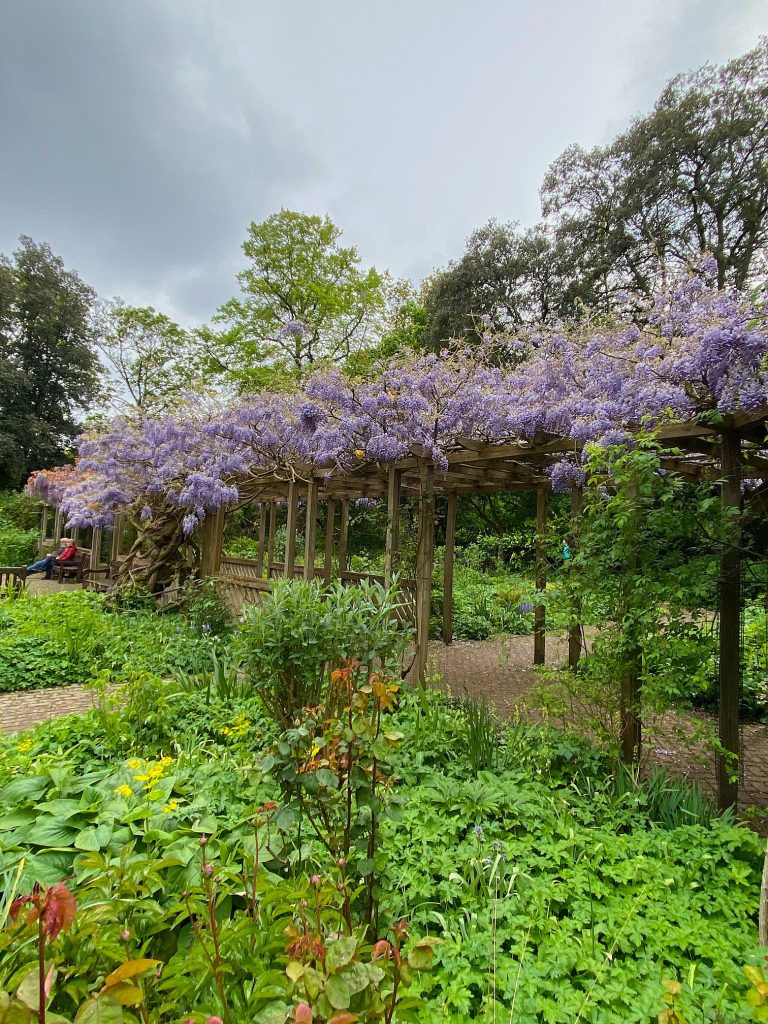
With its origins in the 19th century, horticultural therapy (or social and therapeutic horticulture [STH] as it is known here in the UK) has a long history of practice, with a broad network of organizations and programs leading the way today. While no official studies have been conducted in recent years, the number of practicing organizations is estimated to be anywhere from 1,000 to 1,500, with the potential for as many as 3,000 programs to be in place. STH practice is widespread in the UK with sole practitioners, established and emerging charities, community gardens, school programs, hospital, rehabilitative centres and many more places of practice. There are two major organizations, in particular, that are helping shape the STH landscape through their work in education, advocacy and support for delivery – Trellis and Thrive.
Long History of Practice
Located in Perth, on the banks of the River Tay in Scotland, Trellis was founded in 2006 with a mission “to help people who need it most to improve their health and wellbeing through gardening, plants and nature connection”. Trellis is a member-based organization that provides training and events, resources, community, research and advocacy on behalf of its members and the programs and client gardeners they support onsite.
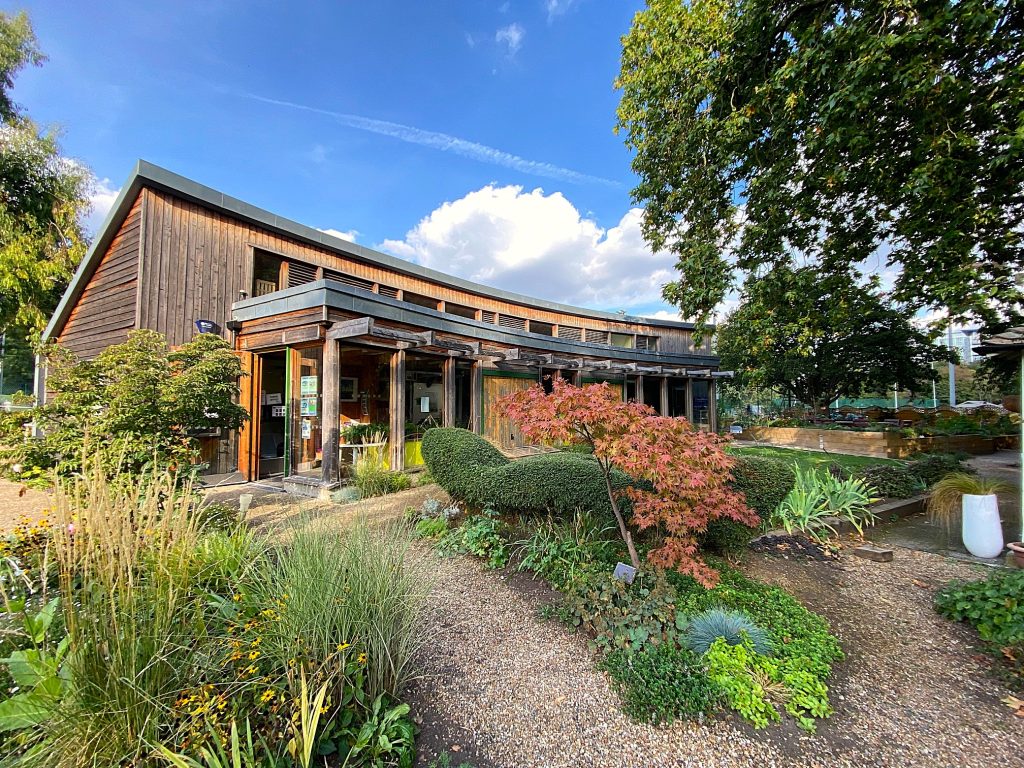
Created in 1979, Thrive operates across three locations in England, with its national office and Trunkwell Gardens located in Reading and two additional centres, in Birmingham at Kings Heath Park and in London at Battersea Park. Thrive “use[s] gardening to bring about positive changes in the lives of people living with disabilities or ill health, or who are isolated, disadvantaged or vulnerable”. While programming and populations differ across sites, the London centre in Battersea Park works with adult client groups, maintaining the four public gardens across the park. The centre offers general horticultural therapy sessions as well as a range of targeted programs, including:
- Growing Out, therapeutic gardening to improve health and wellbeing for adults experiencing mental ill health.
- Life Changers, a free four-month program for adults living with life changing health experiences.
- Women’s Pathways, for women dealing with mental wellbeing challenges; and,
- Garden Thyme, a more recent program offering that offers gentle gardening for those living with dementia.
All programs run on a weekly basis, from 10am-3pm and are situated across the four gardens in the park. In addition to the programs run at their Centres across the England, Thrive also offers Outreach programming in the community, provides education to practitioners in the field, and delivers overall communications and advice on gardening for health and wellbeing.
Advice on Gardening for Health & Wellbeing
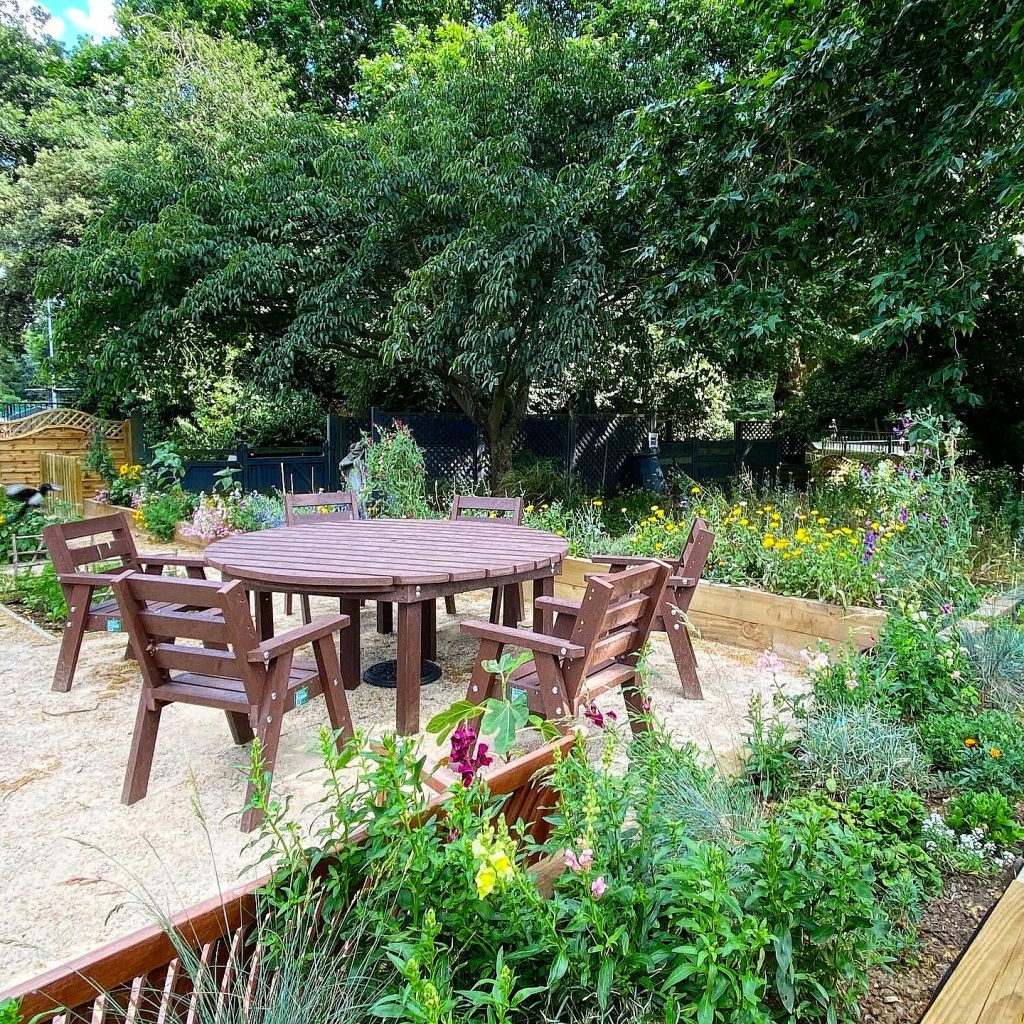
Despite its long history in offering horticultural therapy, there is no professional body in place in the UK that certifies and represents practitioners in the field. Seeing a gap in the sector and responding to feedback from practitioners, Trellis began a consultation process in 2021 to sketch out what a professional body for Social and Therapeutic Horticulture (STH) practitioners could look like, thinking about how to define a STH practitioner and what would be required in a registration process. Trellis partnered with Thrive on the initiative and both organizations are working towards creating a new organization, The UK Association for Social and Therapeutic Horticulture. Trellis’s most recent impact report from 2024/25 outlines the status of the initiative:
“We made significant progress with long-held project goals: creating a practitioner qualification, the Professional Development Award, now awaiting qualifications authority approval, and taking big strides with the UK Association for Therapeutic Horticulture, finally bringing the sector clear quality standards and professional progression routes, giving practitioners greater recognition and safeguarding the most vulnerable in society”.
They are currently working on finalizing a code of ethics, a set of competencies and standards of practices on behalf of the emerging association.
Vital Programming Serving Client Needs
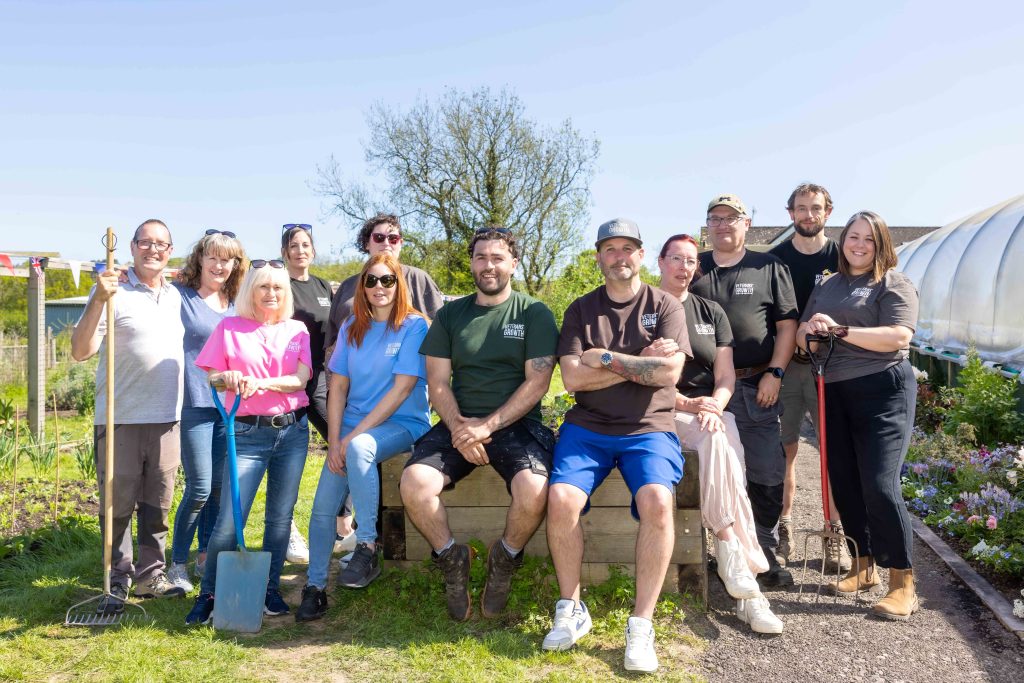
Meanwhile, organizations across the UK continue to offer vital programming that serves client needs and helps further the profession. One such organization is Veterans’ Growth. Located on a 5-acre farm site in Sussex on the south coast of England, Veterans’ Growth was established as a charity in 2019 to provide horticultural therapy to Veterans struggling with mental health challenges. The charity was created by Jason Stevens, a 16-year Veteran, and his then partner Sarah Wilson, garden designer and wildlife podcast host of Roots and All, in response to the need for greater health care services and support for Veterans and their families. Having experienced the benefits of horticultural therapy first-hand as part of his rehabilitation following a stroke and medical discharge from the Army, Jason wanted to create a space where Veterans would be immersed in nature and find community, while building horticultural skills and confidence. It was important to Sarah that family be included in the program offering given their important involvement in the treatment process. And so, Veterans’ Growth was launched. But as was the case for many small charities operating at that time, COVID upended plans, offering both challenges and opportunities. One of the key aspects to emerge in the unexpected launch delay was the opportunity to take on their larger current site, a farm with outbuildings, allowing for greater possibilities for programming and expansion.
In the six years since the charity was established, it has grown and evolved to meet the increasingly complex needs of Veterans as well as the broader community. In response to new client groups and expanding client needs, Veterans’ Growth has evolved their programming to address not only mental health and wellbeing, but also physical health, including disordered eating and food insecurity. They have opened their doors to the broader community, fostering military and civilian connections and learnings as well as intergenerational participation. The charity offers a multitude of horticultural and nature-based workshops, open to the public for a small charge and free to Veterans, family members and carers. They provide horticultural therapy sessions, primarily through self and family referrals. The sessions run from 9:30-3pm, following a flexible and person-centric approach that balances client needs and objectives with what needs doing in the garden. Sessions are delivered at no cost to the clients, with funding secured through grants, donations and fundraising efforts throughout the year.
Promoting Improved Physcial Health
Veterans’ Growth continues to expand their programs and workshops, creating an on-site community kitchen last year, which allows them to make direct use of the produce they are growing on site and offer cooking and preserving opportunities for clients and participants. They recently secured new funding to continue this initiative, helping to alleviate food insecurity and promoting improved physical health in the community. This aligns with their goals to expand their offering to reach more people and work towards longer-term financial sustainability. These goals are identifiable to many of the organizations in the UK that are delivering horticultural therapy programs. As the profession grows and evolves under the emerging UK Association for Social and Therapeutic Horticulture, we will find collective strength and wisdom to tackle these challenges and opportunities together.
References:
https://www.htinstitute.org/blog/damien-newman-thrive/
https://www.trellisscotland.org.uk/professional-development
https://www.linkedin.com/company/veteransgrowth
HTI is pleased to welcome Lindsey Hamilton to the monthly blog team.