In our technology-driven existence, the natural world is too often managed as a commodity, something to be manipulated and exploited for profit. This attitude has become so ingrained in our society that it is common to believe humans are separate from the natural world. Yet as we have all experienced, Mother Nature has very unattractive, even devastating methods to prove how absurd this perspective is.
Today, a reawakening is occurring across the globe. This is due in large part to rapid climate change on top of debilitating pandemic fatigue. Rewilding offers a path forward implying that an immersive human-nature reunion has never been more critical. Rewilding promotes stewardship and reclamation of ecosystems that will serve all species. This of course includes meaningful interactions between people and plants, the very foundation of horticultural therapy.
“Rewilding is an ecosystem perspective on a landscape scale.”
Michele Weber
Rewilding?
Rewilding is a conservation practice designed to revitalize natural landscapes and establish ecosystems. In short, this effort strives to restore much of what has been lost due to human mismanagement and destructive activity. We cannot erase past harm humans have inflicted upon the world’s natural habitats, but we can adopt a future focus that will promote healthy human-nature interactions. We now have a greater understanding of how our local environment affects human health. Research has unequivocally proven that if the ecosystem you live in or near is not healthy, it will directly influence your health. Rewilding may seem like an overwhelming responsibility, but there is plenty you can do to further this effort right in your own backyard.
Urban Rewilding
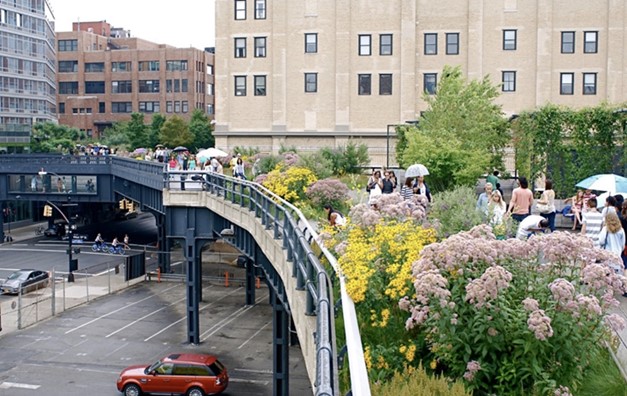
Many of the world’s major cities have adopted the concept of urban rewilding. Preservation of existing parks and green spaces along with the creation of accessible mini-ecosystems are cropping up across the globe. Most often the newly created ecosystems are purposefully designed using plants native to the region. The need for maintenance is reduced by using native plants that require minimal care, less water, and few pesticides. This practice will mitigate the effects of climate change by sequestering carbon from the atmosphere, helping to lower pollution levels. Tree-lined streets and roof-top gardens will keep buildings cooler in the summer, provide shade and reduce flooding of city streets by curtailing rainwater runoff.
Living in a “Biophilic City” affords great benefits to all inhabitants. As horticultural therapists, we have a deep understanding of how human psychological and physical health improves with meaningful interactions with plants. Due to pandemic lockdown, many people, the world over are beginning to identify access to a natural environment as a critical component for health and wellness.
“The way we garden today, will determine what the world will look like tomorrow.”
Doug Tallamy
Horticultural Interventions
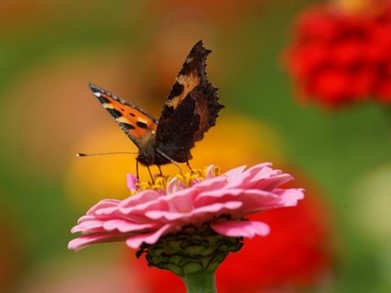
The word “rewild” may give you pause and make you wonder just what the term suggests. The benefits of rewilding are extensive, not only for the gardener but for the local ecosystem. But this concept will require a different perspective. Recent garden culture necessitates human management and interference. Any gardener can tell you that keeping their garden space weed-free and perfectly dead-headed is exhausting. The unintended downside of this practice is a sterile environment, hosting few pollinators or other beneficial insects.
Frances Tophill, author of Rewild Your Garden offers a different approach, “Let nature make the decisions”. Tophill suggests the gardener should redefine what is truly a weed. This is important because many beneficial insects require specific host plants to lay their eggs and provide a food source. Often, the host plant is native to the region yet may be considered undesirable in your garden. When specific host plants are not available the beneficial insects move on, and out of your garden. This pristine approach to gardening has contributed to the endangerment and even extinction of many insect species. The goal of rewilding is to create an environment that will support a multitude of insects, which in turn will attract many more species of birds and wildlife into your garden. Keep in mind that the beneficial insects and native plants will maintain a healthy balance in your garden through predation and competition, greatly reducing the need for chemicals. To rewild is to adopt this approach as a “horticultural intervention” that benefits wildlife, the local ecosystem as well as the gardener.
Rewilding Resources
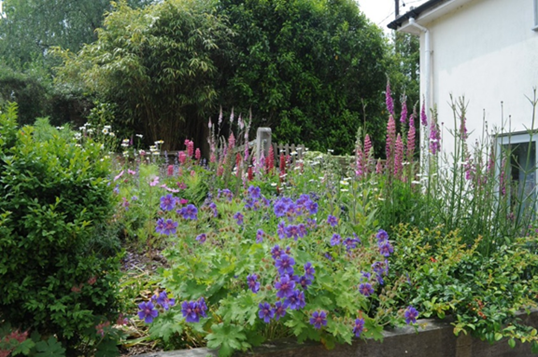
Converting your garden spaces into mini-ecosystems does not mean you have to dig up your current garden plants. It’s quite the opposite. A slow purposeful redesign of the garden will start you off on the right foot. And give you time to do some research. Adding plants native to your region is a simple yet effective way to rewild. Flowering shrubs will host many beneficial insects and provide food for birds. Doug Tallamy author of Nature’s Best Hope states “The way we garden today will determine what the world will look like tomorrow”.
Choosing plant materials that serve your needs as well as support a wildlife habitat is the best way forward. But where can you access reliable information? Good places to start are botanical gardens in your state and your local cooperative extension offices. Another dependable source is the Audubon Society Native Plant Database webpage. Many non-profits dedicated to native plant use and rewilding are springing up across the U.S. A quick internet search will produce many more sources of information and advice on how to start rewilding. You must remember the category of wild plants includes not only flowers but grasses, lichens, fungi, shrubs, and trees that require little to no human interference to survive in your area.
“Out of Adversity Comes Opportunity”
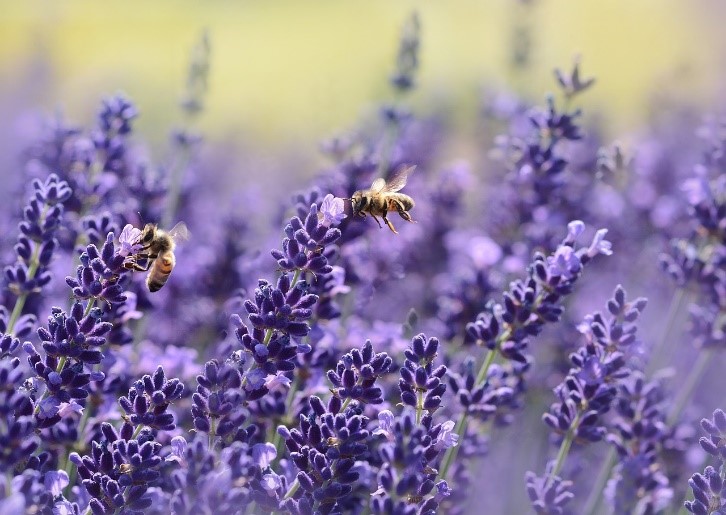
In the past two pandemic years, we have witnessed relentless struggle and hardship. We have seen climate change advancing at an alarming rate. It is no surprise that our collective stress level has risen dramatically. Yet a reawakening has emerged out of this adversity. An indisputable awareness that human health is entwined, even dependent upon the natural world, and that world is in trouble.
We, as practitioners can take this opportunity to foster a symbiotic relationship between horticultural therapy, our clients, and nature. Start with redefining what a weed is. Educate yourself and your clients about how to create wildlife habitats and support ecosystems. Planting wild seed, collecting dried seed heads, and harvesting that seed to share with others serves not only therapeutic goals but will provide a sense of well-being for all involved through stewardship of the land. Embrace rewilding, it will enhance your horticultural therapy practice in many beneficial ways and provide you with metaphors aplenty.