
Cultivating Diversity
Your garden, with quiet confidence offers many lessons that are symbolic of life’s struggles and successes. It is broadly accepted as an example of resiliency but also displays a living model of diversity. As horticultural therapists, we occupy a unique position, understanding the garden from a slightly different perspective. From the therapy side, the garden becomes a holistic therapeutic tool and a wise, able teacher. Horticulturally, we recognize the importance of diversity in our botanical environments. It is always more engaging to have a divergent collection of flowers, vegetables and herbs that offer a profusion of color, texture, and scent. Growing annual flowers and herbs among vegetables can produce an abundant harvest by attracting beneficial insects with scent and flowering blooms. Growing nitrogen-fixing plants (pea, clover, lupine) and utilizing crop rotation will enhance and stabilize the soil. Diversity is as essential in creating a healthy community, as it is in cultivating a healthy garden. Think of how effectively the garden teaches all of us the benefits of welcoming diversity into our lives.
The word diversity is a complex term, one that can easily cause tension and discomfort. The definition of the word can have different meanings in different sectors of life. But there is undeniable benefit from creating diversiform environments. Diversity in the workplace has shown to enhance creativity and cohesion among employees. With interpersonal relationships, it can give you a more analytical outlook on life, even help you to consider a different perspective on social issues. Diversity in the academic world is essential for sustaining a thriving and inclusive campus culture. Using the garden as a metaphor to convey the benefits of diversity may provide a softer approach, especially with those who find the term uncomfortable or controversial.
Hügelkultur!
Hügelkultur is an example of diversity at its best. Hügelkultur (Hoo-gul-culture) is a gardening technique that has been used in Eastern European countries for hundreds of years. Today, this technique has been adopted by permaculture enthusiasts world-wide. Construction of the hugel bed begins by digging a 12-inch-deep trench, hardwood logs are stacked into the depression, next comes a layer of branches, and leaves then a layer of sod (from the trench), compost, food scraps, topped off with layer of soil and humus. The benefits of this technique are plentiful. The hardwood logs decompose over time creating heat that will warm the soil and extend the growing season. The by-products of that decomposition also provide beneficial soil life and an abundance of nutrients for plant growth. The logs and branches will retain water and keep the soil moist for up to three weeks at a time. A steep hugel bed will increase the square footage of garden space and make for easier harvesting. If properly placed and maintained a hugel bed will last from 6-20 years. The outcome is several distinct elements working together to create a sustainable and harmonious ecosystem.
Diversity + Inclusivity = Sustainability › Resiliency
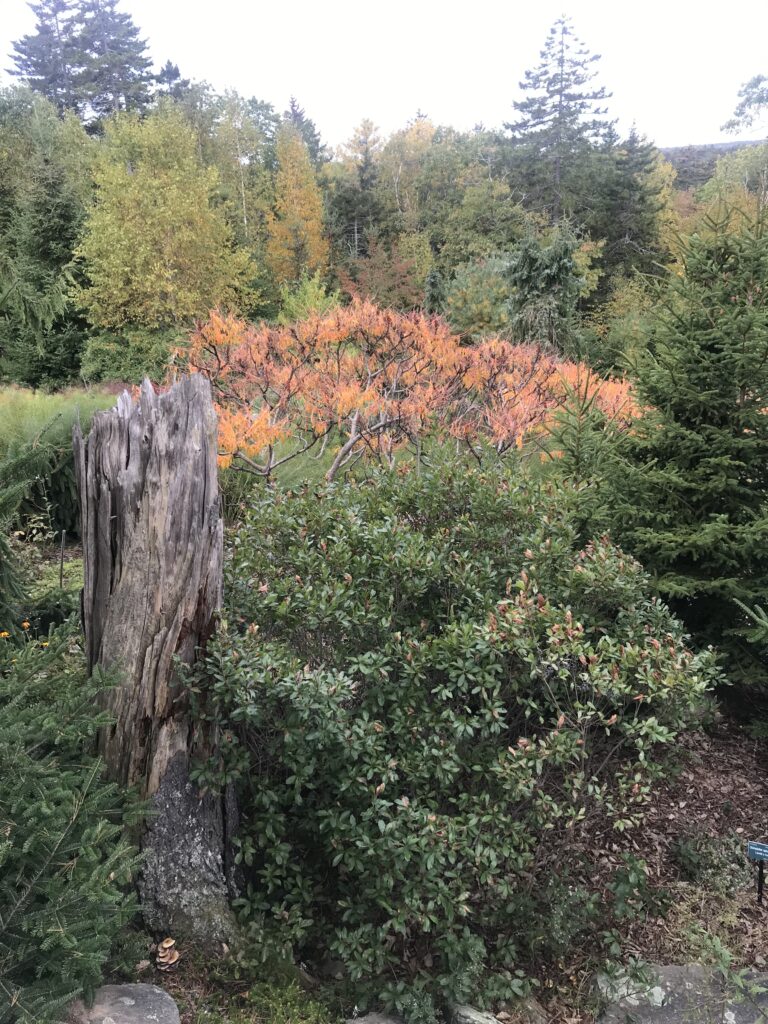
The next time you find yourself on a nature trail take a moment and look around. Really observe what’s living along the trail. Most likely, you will find a plethora of diverse plant materials, trees, shrubs, ferns, grasses, and flowers. On closer inspection you will find insects, fungi, evidence of bacteria and maybe algae.
Diversity is nature’s design for sustainability. No one organism can sustain life without help from others. A decomposing tree trunk is so much more than rotten wood. The fungal spores that break down the wood fibers are also providing food for insects and boost soil life, including earth worms, nematodes, and arthropods. The outcome of a decomposing tree is fertile soil and vigorous plant, insect, and animal life. A sustainable, natural environment is completely dependent on the amount of diversity within the ecosystem.
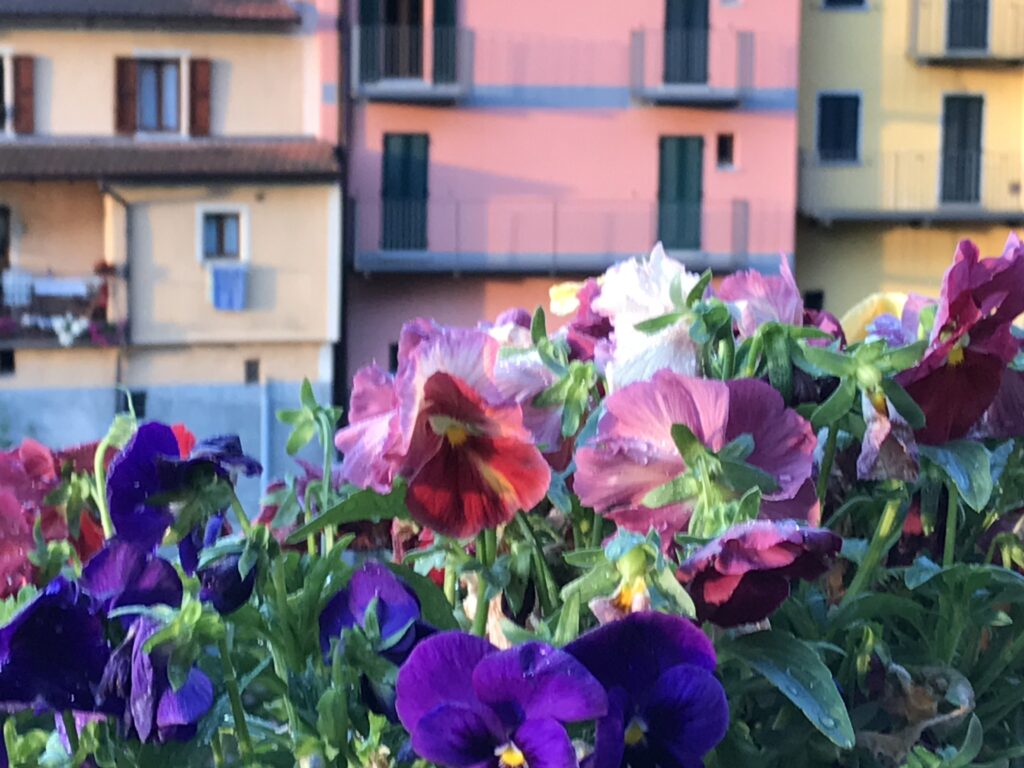
Variety is the spice of life
This same ecological recipe for sustainability can be translated into building a healthy human community. Inviting different perspectives introduces new ideas, methods, and opinions. Decades of research shows, living in a diverse community is more interesting and connected. A downtown area that offers ethnic dining, theaters, and open green spaces will be more prosperous than a downtown that has only retail shops. A community that embraces its differences enjoys many health and wellness benefits. We will be stronger both physically and emotionally leading to more innovation and creativity that will go far to enhance our professional and financial stability. Diversity doesn’t have to create upheaval but can provide balance within the community. Working together is the only way to create resiliency. And resiliency will sustain the overall health and wellness of a community.
“Community” Gardening
“Most were old. Many grew plants from their native lands–huge Chinese melons, ginger, cilantro, a green the Jamaicans called “Callaloo” and many more. Pantomime was often required to get over language barriers. Yet we were all subject to the same weather and pests, the same neighborhood and the same parental emotions to our plants.”
From Seedfolks by Paul Fleishman
Most will agree, a diverse collection of plants produces a more sustainable garden. But plants alone will not sustain life without the help of healthy soil, pollination from insects, sunlight, and water. A sustainable garden is a prime example of the power of inclusion and inter-connectedness. Community gardens are likely to produce fruit, flowers, and vegetables, but the unexpected benefits are collaboration, understanding, new skills, and meaningful relationships.
If you attended HTI, there is no doubt that you were introduced to the book Seedfolks by Paul Fleischman. This is a beautiful story about a derelict city lot that is slowly transformed into a community garden. Along the way you meet the people who cultivate the garden and how their differences unite rather than divide them. Seedfolks is categorized as young-adult fiction, but every reader, regardless of age, will benefit from this inspiring story. For many of us, fall brings an end to our growing season. It is a time to reflect and contemplate our successes and failures in the garden. Did you have too many tomatoes this year or spectacular perennial blooms? Maybe your neighbor grew gorgeous dahlias, and you’re thinking of trying your hand at it next year. Planning for the upcoming growing season is always a puzzle, one that most of us enjoy solving. Once that first seed catalogue arrives in January we are hooked. Focusing on creating a diverse growing environment will not only make your garden more productive, it will provide a living example of diversity in action. Thinking of all the life lessons our gardens offer us, witnessing harmony within a diverse community is of critical importance right now. The next time you can display the success of your garden, pay homage to the role of diversity, and see where the conversation takes you.





Hi Colleen – thanks for your post – I am a new student to HTI that lives in Haverhill MA – I would love to meet with you
sometime for coffee and hear more about your work! Weekends would be best for me. Take care, Donna Hill.
Hello Donna, Please excuse my late reply. Yes, lets talk. Please contact me through the NEHTN website; nehorticulturaltherapynetwork.net I am listed under membership coordinator. Thank you and I hope to talk with you soon!
Colleen
Thank you Collen for a thought provoking article. The topic of diversity can be more easily be approached and discussed in the diversity of nature. To my sweet friend …I hope all is well…I send you joy and a message to remember the flying pigs and all our laughter.
How nice to hear from you Debbie! I too have fond memories of our time at HTI and all the laughter we shared. Hoping all is well with you and yours, Colleen