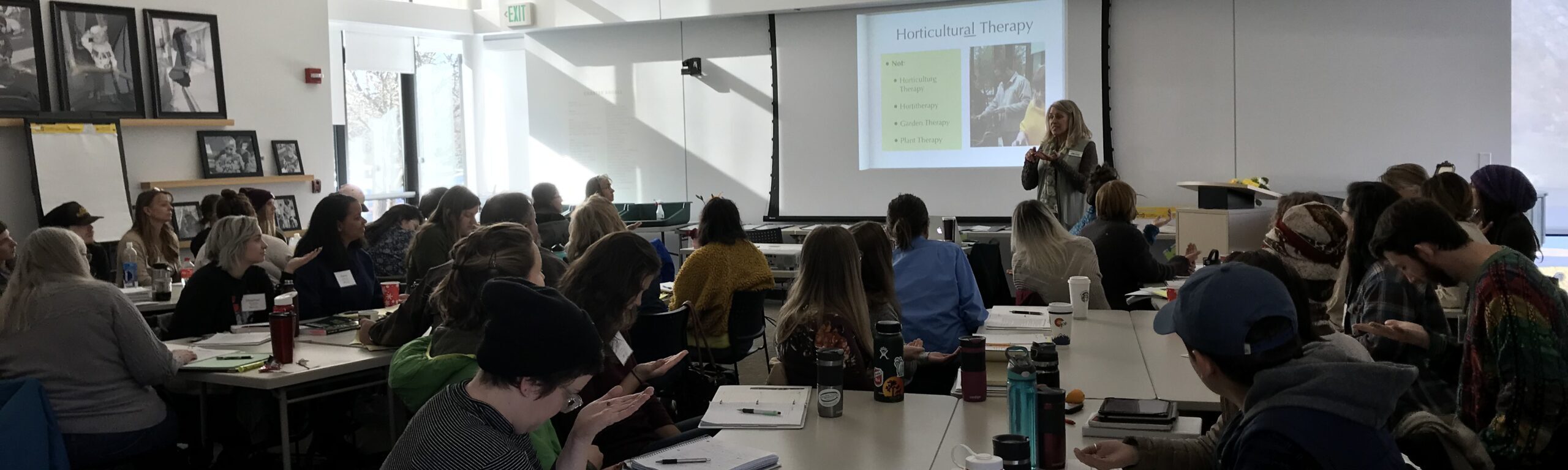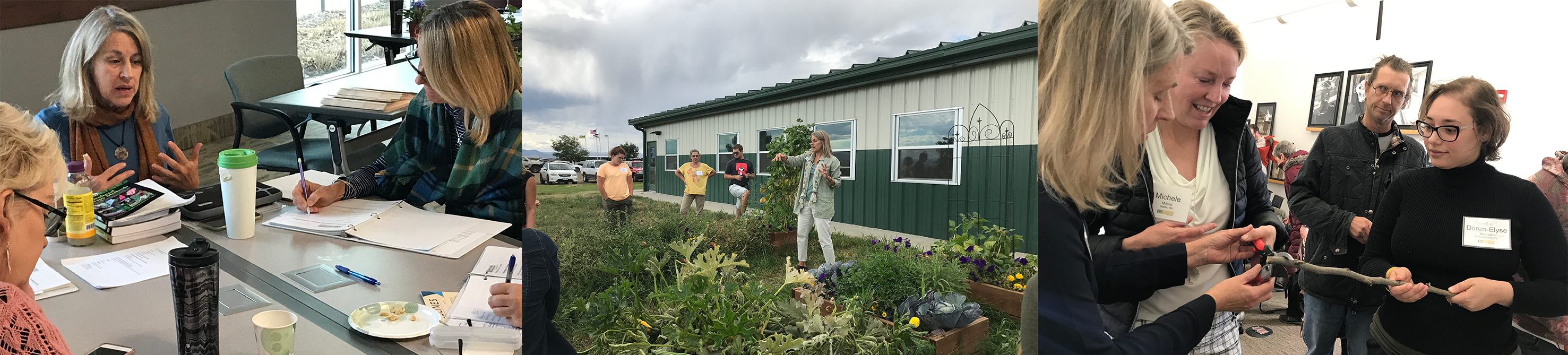
As a small 501(c)3 non-profit organization, we focus our efforts and resources on education, reaching students from across the U.S. and internationally. We strive to help our students positively impact their own communities and the profession of HT. We have no physical office because all of our resources go into programming and allowing more flexibility to take these unique educational classes on the road. One of our goals is to expose students to many different facilities and programs across the country.
Our mission
“The Horticultural Therapy Institute provides education and training in horticultural therapy to those new to, or experienced with, the practice of using gardening and plants to improve the lives of others”.
Our values
We operate the Institute with these in mind: integrity, customer service, community, improving lives, excellence, passion about HT, enthusiasm, and balance in life.
Horticultural Therapy Institute’s Faculty & Staff
Each member of the faculty is an experienced leader with a personal passion for horticultural therapy. They represent the broad spectrum of approaches to horticultural therapy practice and have a strong professional level of understanding of Horticultural Therapy in its many settings.
Rebecca L. Haller, HTM is the lead instructor for the Institute, responsible for the curriculum and each course offered. Additional faculty members are key to the content and success of our educational efforts. Each member of the faculty is an experienced leader with a personal passion for horticultural therapy. They represent the broad spectrum of approaches to horticultural therapy practice and have a strong professional level of understanding of Horticultural Therapy in its many settings.
The staff and faculty have provided HT education in Colorado since 2002. We are associated with Colorado State University, with courses that are offered for college credit that can lead to a certificate in HT.
As part of our coursework, we teach students how to design and manage landscapes that support and enable horticultural therapy programming. For example, students design gardens for nursing homes, schools, vocational training centers, prisons, etc. depending upon their interest and focus.
Rebecca Haller, HTM

Classes:
- Lead Instructor
- Fundamentals of Horticultural Therapy
- Horticultural Therapy Techniques
- Horticultural Therapy Programming
- Horticultural Therapy Management
Rebecca Haller has practiced and taught horticultural therapy since earning an M.S. in Horticultural Therapy from Kansas State University in 1978. In 1981 she established a still-thriving vocational horticultural therapy program in Glenwood Springs, Colorado for adults with developmental disabilities. In addition, she developed and taught a horticultural therapy certificate program at the Denver Botanic Gardens and has served as president and board member of the American Horticultural Therapy Association (AHTA). Ms. Haller is an affiliate faculty member in the Department of Horticulture and Landscape Architecture at Colorado State University. She is an enthusiastic speaker on HT topics and has addressed numerous organizations including, AHTA, AOTA, ATRA, NAAP and APGA (formerly AABGA) as well as speaking at regional meetings, classes and conferences.
In 2008, she received the publications award from AHTA for the book Horticultural Therapy Methods: Making Connections in Health Care, Human Service and Community Programs. In 2005, she received the Horticultural Therapy Award from the American Horticultural Society.
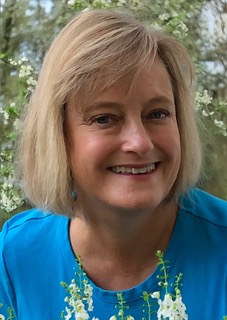
Karen Kennedy, HTR
Classes:
Karen Kennedy is a registered horticultural therapist (HT) with over 40 years of HT and wellness program development and service in health care, human service organizations and public gardens. She has experience in HT consulting and private contracting, developing educational materials and in teaching. Since 2002, she has taught the Horticultural Therapy Programming course, led workshops and webinars, graded assignments for multiple courses and worked on curriculum development projects for HTI. She served on the board of The American Horticultural Therapy Association and many committees including writing for the news magazine and the certification test writing team. She was a contributor and an editor for the textbook The Profession and Practice of Horticultural Therapy (2019). In addition, she has authored chapters, appendices, and articles in the following books and publications: Horticulture as Therapy, Principles and Practice (1998), Horticultural Therapy Methods: Making Connections in Health Care, Human Service and Community Programs (2006, 2017, 2025), Public Garden Management (2011), AHTA Magazine, Public Garden, The Herbalist, and local/regional periodicals. She is passionate about HT and the people/plant relationship and as such is an engaging speaker at national conferences and regional meetings.
Karen received the AHTA Rhea McCandliss Professional Service Award (1994) and the American Horticulture Society Horticultural Therapy Award (2009). She holds a B.S. in horticultural therapy from Kansas State University. In addition, she is the Education Manager for The Herb Society of America, since 2012.
Jay Stone Rice, Ph.D

Classes:
Jay Stone Rice was awarded his doctorate in Clinical Psychology from the San Francisco School of Psychology. He was the principal investigator for an exploratory study of the effectiveness of San Francisco Sheriff Department’s innovative horticultural therapy program. Jay co-edited The Healing Dimensions of People-Plant Relations, which is published by the Center for Design Research, University of California, Davis. He has also written about the social ecology of the inner city family trauma, trauma’s relationship to substance abuse and crime, and gardening as a treatment intervention. Jay is a family therapist in private practice in San Rafael, CA.
Colleen Griffin, HTR

Classes:
Colleen E. Griffin, HTR has been a contracted provider in private practice since 2018. She is a graduate of HTI and holds a BS in Public Health from the University of Maine. Colleen co-owns Cultivating Well-Being, LLC, a therapeutic horticulture practice focused on community wellness and environmental stewardship. Through private practice, Colleen has designed programs for older adults aging in place, mental health programming for college students, an immigrant and refugee youth leadership program and those with a cancer diagnosis and their care partners. Therapeutic garden design is a passion, she enjoys teaching advanced training courses for master gardener volunteers through UMaine Cooperative Extension. Her community garden design for a cancer care foundation promotes therapeutic horticulture with self-guided mindfulness activities and interactive opportunities for all abilities. For over 6 years Colleen contributed to the HTI blog, where she inspired readers to consider their connection to the natural world and gardens. Colleen is an active member of the American Horticultural Therapy Association and past board member of the Northeast Horticultural Therapy Network.
Erin Lovely, HTR, CTRS
Classes:
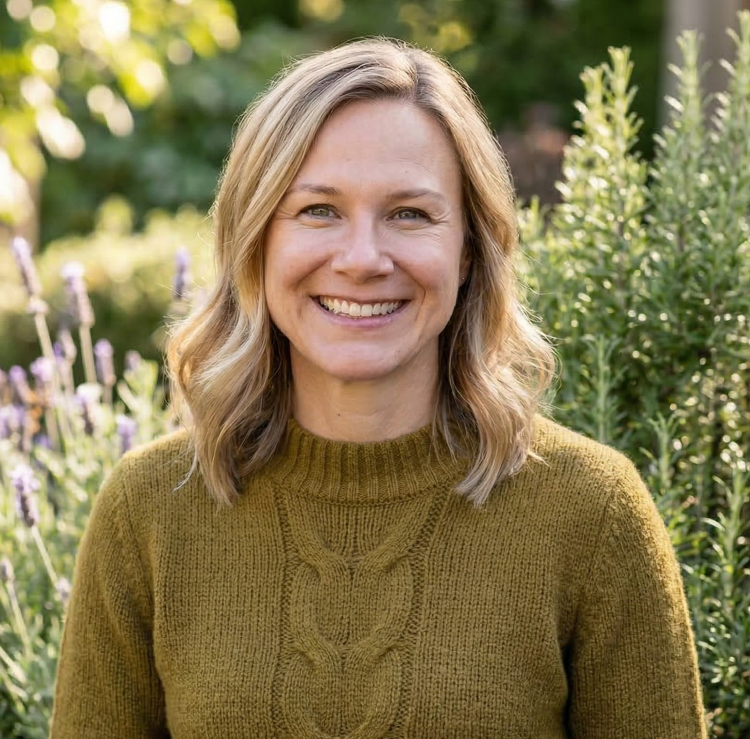
Erin Lovely, HTR, CTRS, is a registered horticultural therapist and certified therapeutic recreation specialist with over 20 years of experience designing inclusive, nature-based services. Her extensive background in clinical and community program development includes roles at Shriners Hospitals for Children – Portland, Children’s Hospital Colorado, Craig Hospital, and the City and County of Denver’s Adaptive Recreation Program. Currently, Erin focuses on early intervention at the Anchor Center for Blind Children. A graduate of the Horticultural Therapy Institute (HTI) and an active Master Gardener volunteer for Colorado State University Extension, she is deeply committed to helping individuals find self-regulation, identity development, and a sense of purpose through the therapeutic benefits of horticulture.
Christine Capra, HTI Program Manager

Christine is the program manager and co-founded the HT Institute in 2002. Previously she helped manage the horticultural therapy educational program at the Denver Botanic Gardens.
She is co-editor the book, Horticultural Therapy Methods: Making Connections in Health Care, Human Service and Community Programs” Taylor & Francis, 2006 and editor of the on-line HTI newsletter, “Making Connections.” She has won numerous writing awards and has been published in: OT Weekly, Mountain Plain and Garden, Green Thumb News, People-Plant Connection, AHTA News, GrowthPoint, The Community Gardener, Health and Gardens, Colorado Gardener, Denver Catholic Register and Our Sunday Visitor.
Director’s Profile
HTI Director, Rebecca Haller

“I can’t imagine life without a garden-a place in which I can interact closely with nature and have a personal connection with plants,” Rebecca Haller, HTM, explained when asked what horticultural therapists need to understand about the role of the plant in an HT relationship. As the director of the Horticultural Therapy Institute in Denver, Colorado, Haller explained that in her own life, plants and the garden itself have been a powerful source for solace, joy, excitement and interest.
“The garden has always been a place where I could effortlessly reflect while spending time tending my garden,” she said. “Yet, the horticultural therapist must take that one step further in order to motivate someone she is working with to garden instead of watching TV, for example. Or to engage a young child who is blind to explore his senses when that stimulation may be frightening.”
That personal nature connection is what the HT employs to encourage a client to improve his or her life. “The lessons and development of the plant and garden can be insidious. Positive personal changes can occur for HT program participants, with or without a conscience awareness of these effects. In my opinion, you (the therapist) need to have that personal relationship with the plants. In addition to therapy skills, you need that plant connection to be successful in horticultural therapy,” she said.
Rebecca Haller has practiced and taught horticultural therapy since 1978. She established a vocational horticultural therapy program in Glenwood Springs, Colorado for adults with developmental disabilities. The program is still thriving after over 30 years in operation. In addition, she developed and taught a horticultural therapy certificate program at the Denver Botanic Gardens and has served as president and board member of the American Horticultural Therapy Association (AHTA). She has been the director and lead instructor of the HT Institute since 2002.