
Program Manager, HT Institute
2026 Summer Newsletter
Horticultural Therapy is making an impact on people’s lives.
Read more about how it’s happening.
HTI Director’s Note: Adaptation for Participant Success
from Horticultural Therapy Methods: Connecting People and Plants in Health Care, Human Services, and Therapeutic Programs
By Rebecca Haller, HTM

Hi Readers,
In the previous newsletter, we looked at some factors to consider in activity design. In addition to thoughtfully selecting the activities or horticulture tasks to offer, the therapist regularly adapts the means to accomplish the given task. This includes considering the physical environment, tool choice, positioning of the client, and access to the activity materials. The methods, manner and frequency of instructions are also important adaptations to foster success. Adaptation serves to allow full participation, task accomplishment, and progress on treatment goals.
The aim of adaptations may be to reduce barriers for achievement by offering methods that accommodate a person’s challenges and match their current physical, social, cognitive and emotional skills. Just a few examples include standing with support or a raised garden bed, sitting to do the task, working with a closed group, gardening in a controlled quiet location, accessing graphic step-by-step instructions, participating in a session with clear expectations provided by the therapist, or using a tool with a cushioned grip.
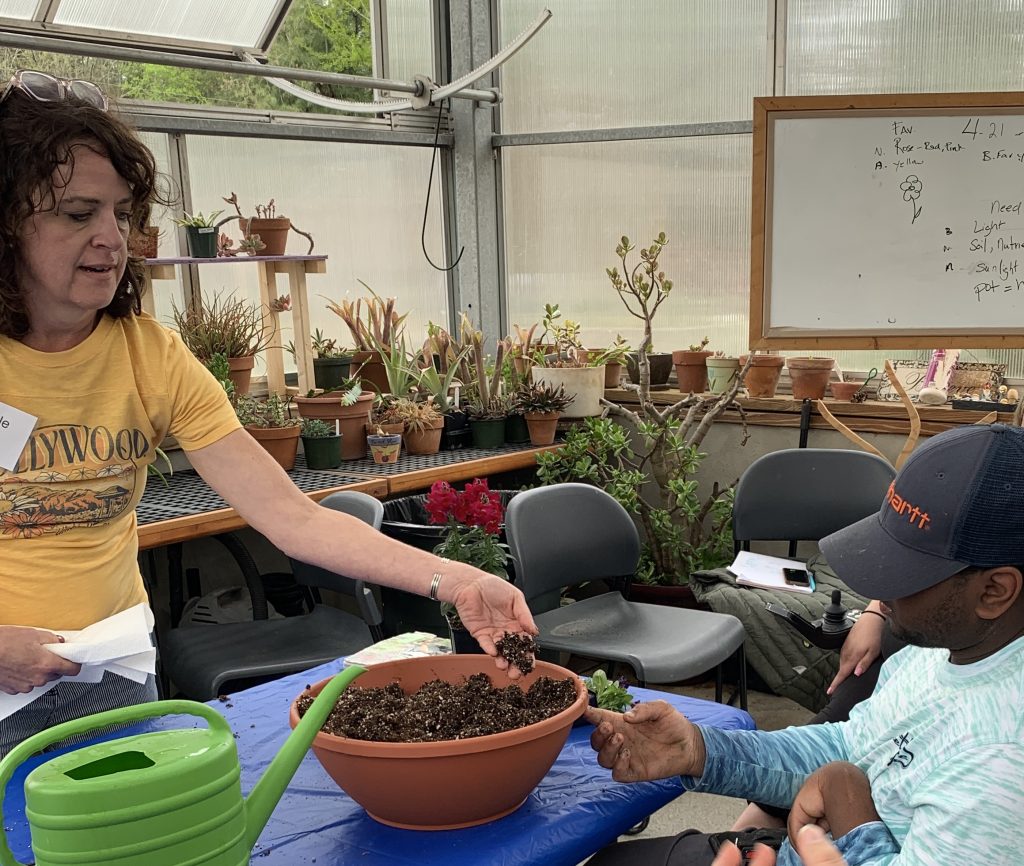
While accommodations are necessary types of adaptation, offering a challenge is also critical for client success. Remember that success for the client is measured in improvement as outlined in an individualized treatment plan. To meet goals and objectives requires acquiring new skills, so the horticultural therapist also adapts tasks to provide opportunities for the client to stretch, strive, and adopt new behaviors as steps towards achieving their aspirations. Adaptations can purposely create situations that require extra effort in gardening activities to promote individual growth. Examples are limitless and should be based on clear treatment objectives. If the client is working to improve cooperation with peers, the therapist provides opportunities for collaborative task accomplishment. If they wish to improve endurance, tasks are chosen to require appropriate physical effort – just enough to make incremental improvements.
Throughout the therapeutic process, the horticultural therapist routinely adapts gardening activities and tasks and continually adjusts to promote the skills desired – both to make the task itself more achievable as well as to provide more challenge to participants.
Happy Learning, Rebecca
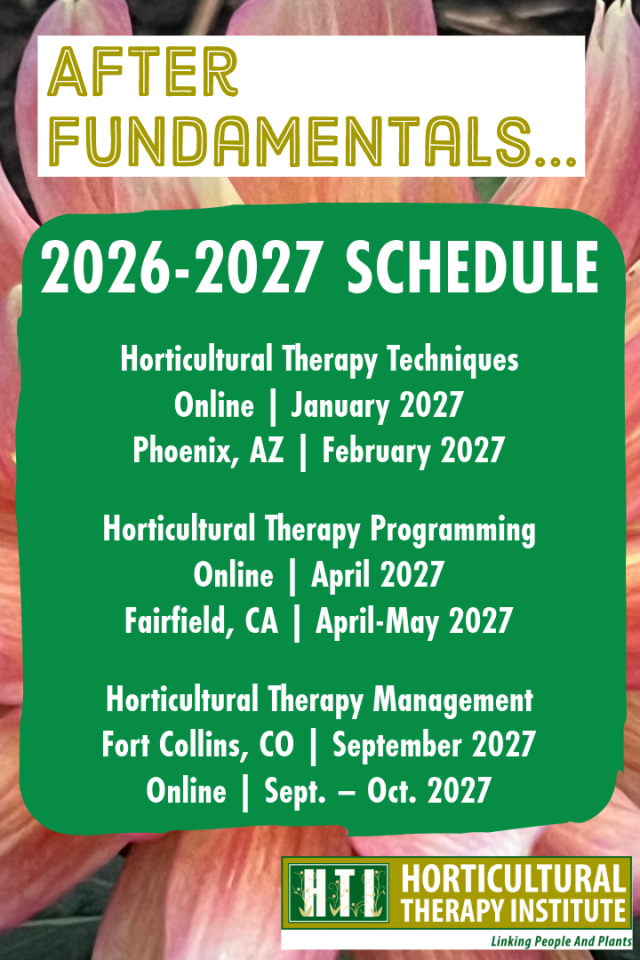
Fall Classes now Available for Enrollment


Program Profile: Horticultural Therapy at Craig Rehabilitation Hospital
By Mattie Cryer, LCSW, HTR, CBIS
Editor’s note: This article first appeared in the Fall 2025 HTI newsletter. Craig Hospital is the site of a field trip during the Fundamentals of HT class this fall Oct. 21-24, 2026. To see Craig’s HT program as well as the Anchor Center for Blind Children, join us in Denver.
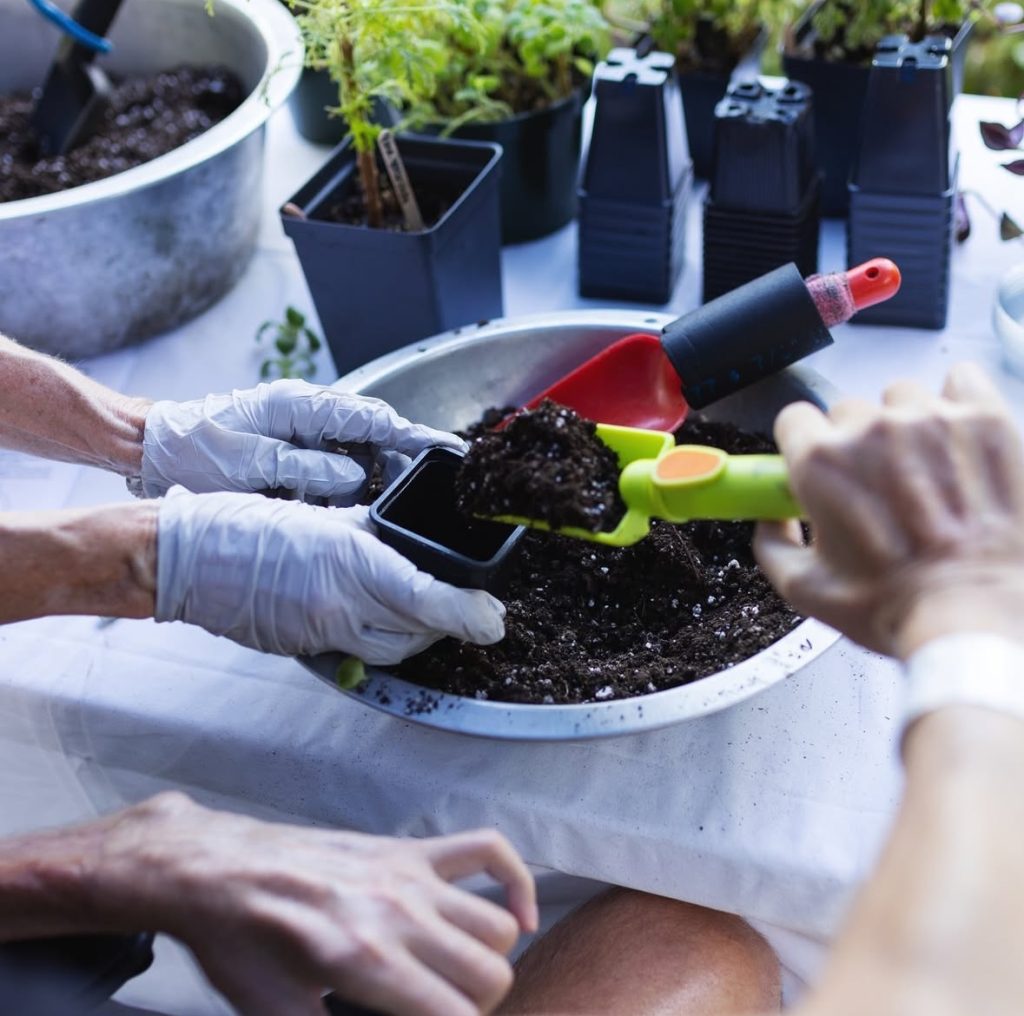
Craig Hospital is a leading neurorehabilitation and research hospital with a focus on patients who sustain brain injury and/or a spinal cord injury. Established in 1907, Craig Hospital maintained a narrow scope of patient population but not of clinical treatment modalities and care. Craig Hospital’s investment in the diversity of rehabilitation services allowed the hospital to take place as a leader in the rehabilitation world for this patient population. In this diverse array of treatment modalities, the horticultural therapy program has deep roots with 43 years and counting. Craig’s horticultural therapy program shifted throughout the years to meet the needs of patients while continuing to grow and develop. Craig Hospital’s history with the discipline facilitated growth and understanding of what works to sustain a large program in a rehabilitation setting, positioning itself as a potential model for other facilities due to size and diversity of horticultural therapy service delivery.
Commitment to HT
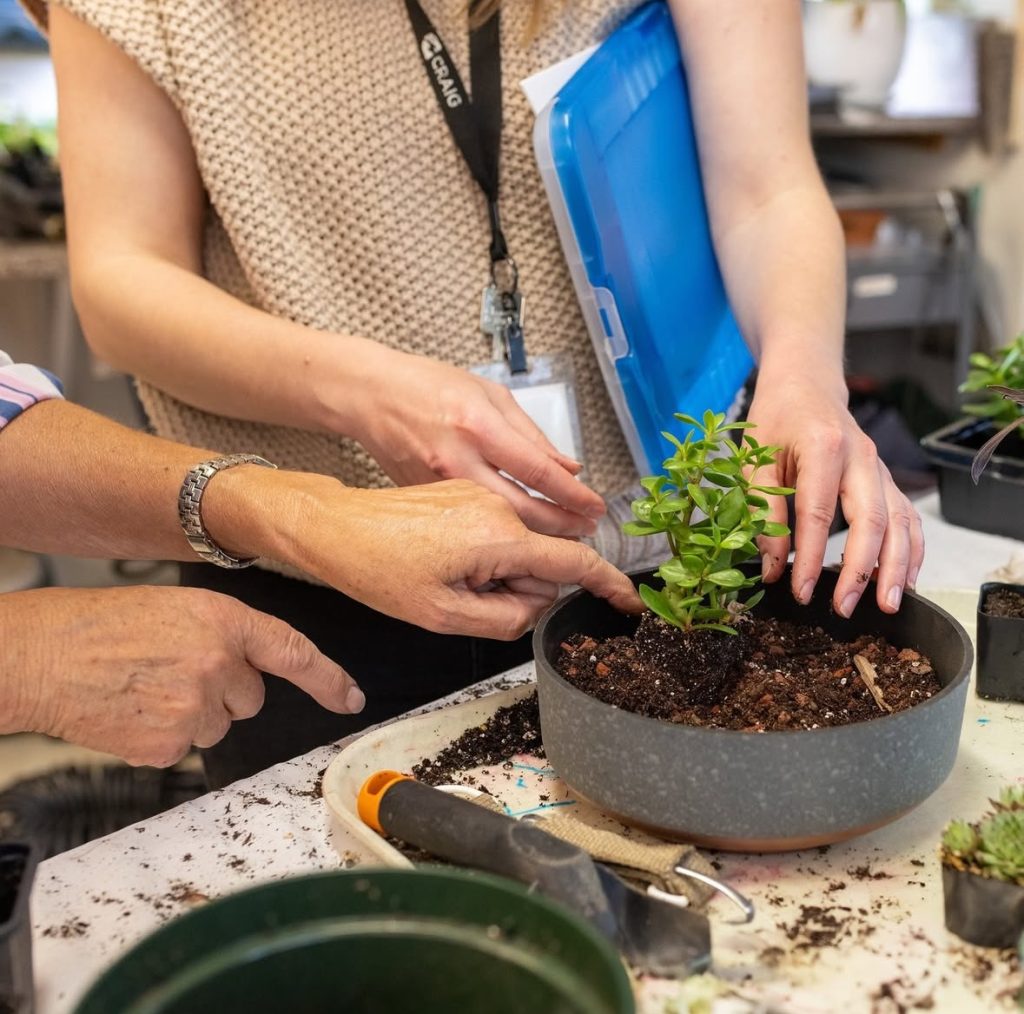
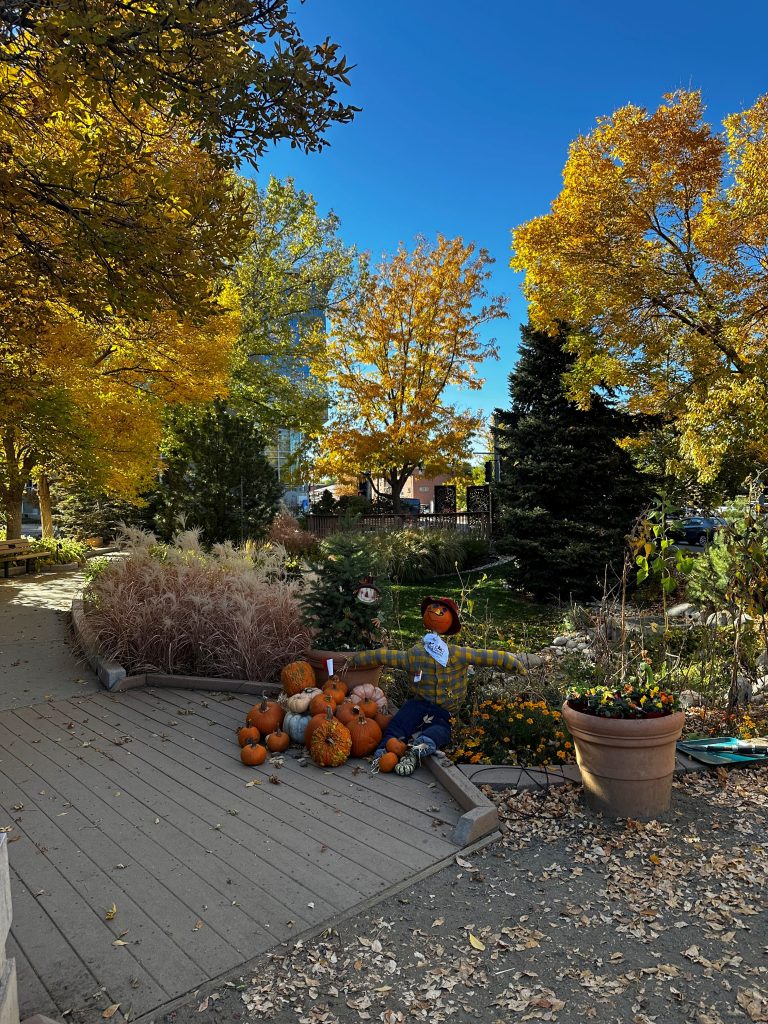
The program offers 1:1 session for patients referred to the program, group sessions for any inpatient, drop-in gardening sessions for any member of the Craig community (staff and family members included!) on Thursday mornings, groups for caregivers, internships with community partners for grads from Craig’s programming, and more. The program runs year-round in the ‘green room’ and outdoor therapeutic garden, which has recently been constructed from the ground up as the first step in the hospital’s expansion. Through this expansion, the green room and garden are growing in size, demonstrating the hospital’s commitment to supporting the horticultural therapy program.
The horticultural therapy program benefits from the structure of the hospital – care teams emphasize teamwork and equal partnership in the rehabilitation process. Because of this mutual investment between families and the hospital, patients and families find ownership through caring for the indoor plants and garden spaces, creating something beautiful for all to enjoy. The communal effort is palpable and often piques the interests of new folks every day.
Program Expansion
There is currently one full-time horticultural therapist. As the program continues to expand, elements are folded in to enrich the offerings of the program, such as development of a stronger volunteer base, presentations on horticultural therapy in the community, and original research. The reaches of the program continue to extend into various departments of the hospital through co-treatments and growing understanding of the benefits of horticultural therapy. As the horticultural therapist in this position, days don’t feel like work. Working alongside people and plants (two of my favorite things) is not only healing for patients but for me, too. Horticultural therapy found me during the early days of the pandemic lockdown; the opportunity to blend nature, healing, research, and education is a gift, one I do not take for granted.
Mattie is an HTI graduate and the horticultural therapist at Craig Hospital
Tips for Practice:
The Need Beneath the Behavior
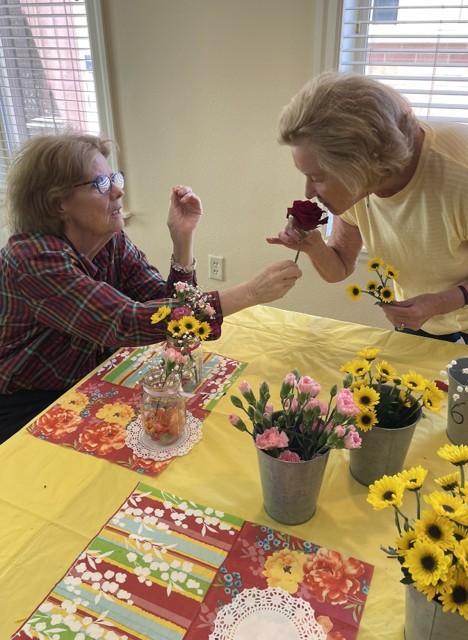
Meaningful moments often begin with a flower and willingness to share the experience.
By Sarah Thompson, HTR
One of the most important lessons horticultural therapy has taught me came from an unexpected source.
The lesson came from a wife of a resident living in memory care who began attending our horticultural therapy sessions.
At first, I found her challenging.
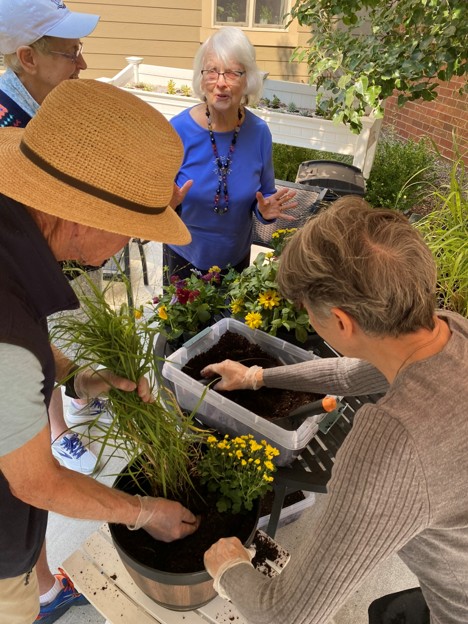
She often tried to move activities along before others were ready. She would correct participants if she felt they were doing something “wrong” and sometimes disrupted the natural flow of the group. I frequently found myself reminding her that horticultural therapy is about the process, not the finished product, and that every participant’s process looks different.
I would love to tell you that I immediately recognized what was happening, but the truth is that she got under my skin a little. I spent a great deal of time trying to manage her participation before I realized I was overlooking something important.
She needed horticultural therapy just as much as everyone else.
Like many care partners, she experienced tremendous change. Her role as a wife and care giver had shifted. Much of her identity had become wrapped up in caring for someone else. Looking back, I now realize what I interpreted as controlling behavior was likely a desire to feel useful, capable, and needed.
Change of Approach
Once I recognized this, my approach changed.
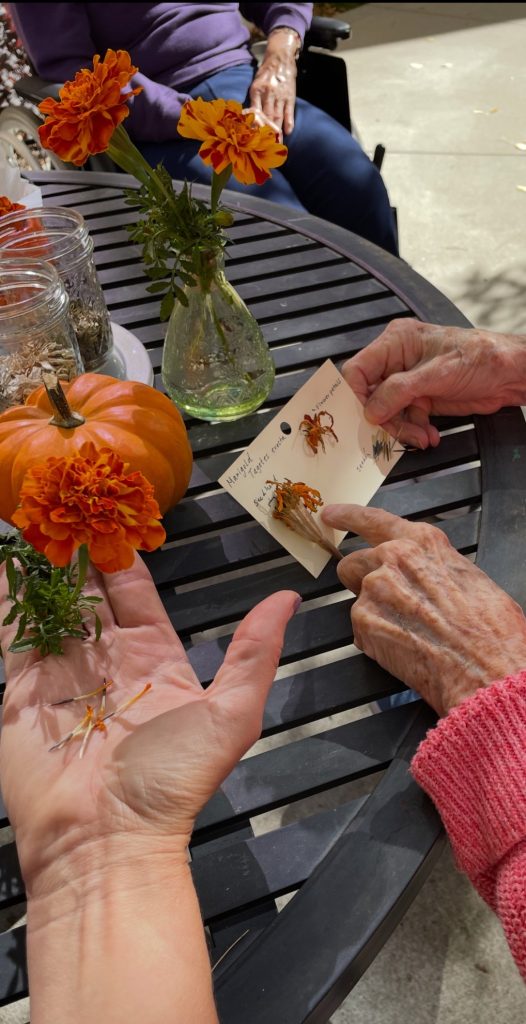
Plants invite observation, curiosity, and discovery at every stage of life.
Instead of redirecting her, I began inviting her to help.
I asked her to assist with setup, pass out materials, help clean up, and support participants who welcomed assistance. Rather than viewing her energy as a disruption, I began looking for ways to channel it into meaningful participation.
Remarkable Transformation
Not only did our relationship improve, but the sessions improved as well. She became one of my greatest supporters and an important part of the group. Most importantly, she found a renewed sense of purpose and belonging.
Behavior is often communication. When participants challenge us, it can be helpful to pause and ask ourselves:
What needs might this person be trying to meet?
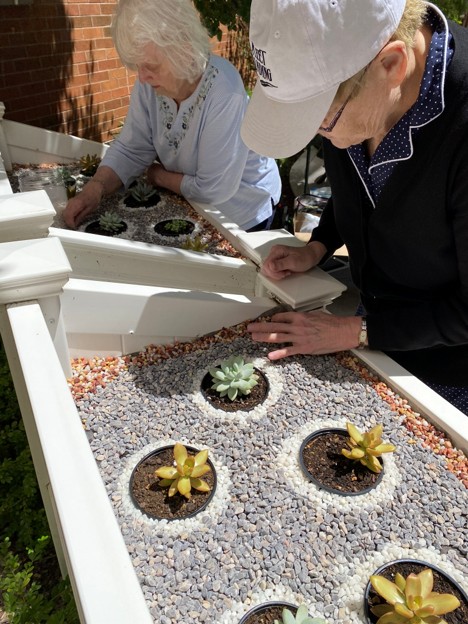
When individuals are given the opportunity to contribute, purpose and engagement naturally emerge.
How can I redirect this energy into meaningful participation?
Is there a role I can create that allows this individual to contribute?
When we approach challenging situations with curiosity rather than frustration, we often discover opportunities for growth for both our participants and us as practitioners.
This experience reminded me that everyone wants to feel useful. Everyone wants to contribute. Everyone wants to know they still matter.
Sometimes the most therapeutic thing we can do is invite someone to help.
Sarah Thompon, HTR, a registered horticultural therapist, horticulture educator, and horticulture professional based in Boise, Idaho. She is passionate about helping people discover purpose, connection, and joy through plants. Sarah works with older adults experiencing cognitive decline, taught horticulture courses at the College of Western Idaho, and brings more than 20 years of horticulture experience to her work. She is an HTI graduate.
Join HTI at the AHTA Conference this Fall
The Horticultural Therapy Institute is proudly sponsoring the opening reception and “Moth Hour” at the fall American Horticultural Therapy Association annual conference in San Francisco. Many of the faculty will be there to engage with current, past and potential students. Come and meet HTI director, Rebecca Haller, HTR; instructor, Colleen Griffin, HTR; instructor, Erin Lovely, HTR and instructor Karen Kennedy, HTR. Hope to see you there!

So Many HTI Kudos!
Student’s Recieve Credentials

Congratulations to Kendra Cochran who just received her HTR credentials. She is currently working at a nonprofit, Sprout City Farms, located on a Denver public elementary/middle school. Their mission is to pursue food justice for the community providing discounted and no cost CSA shares for community-members as well as donating produce to the school and local food banks. The farm also serves as an educational space for the children of Denver Green School campus where they are located. As her first season with the farm she said she hopes to build a relationship in which she can propose an HT program in the future.
In addition, Amy Nau received her THP credentials. Amy is currently offering therapeutic horticulture services to two alternative high schools in the St. Louis area serving students who are at risk of dropping out of high school. She offers therapeutic horticulture classes where students plant, grow, harvest, preserve and market or donate (to food banks) their produce to the local community. Amy also operates Oasis Lakes Teaching Farm, where children gather to experience the magic of nature during our summer camp programming on the farm. She also offers private therapeutic horticulture sessions for all ages on the farm.
Past Student Ushers in Professional Credentials in Tuscany
From HTI graduate, Ania Balducci: On July 17, after almost four years of work, the Region of Tuscany officially approved the professional profile of the Therapeutic Horticulture Practitioner. The professional profile we developed is a qualification corresponding, in terms of its core competencies, to that of the Therapeutic Horticulture Practitioner (THP) in the United States. In defining the profile, we followed the American model established by the AHTA, while adapting the training requirements to the Italian regulatory framework.
This is an extraordinary achievement for us. Tuscany is the first region in Italy, and the first in Europe, to formally recognize this professional designation. This official recognition now opens the way to our next, even more ambitious step: seeking recognition of the profession at the national level by the Italian government.
As a result of this important achievement, I have been invited to hold a conference on therapeutic horticulture on October 20 in the Assembly Hall of the Accademia dei Georgofili in Florence. Founded on June 4, 1753, the Accademia dei Georgofili is the oldest academy in the world devoted to agriculture, so speaking there is an enormous honor. The Dean of the Faculty of Agriculture at University of Florence, with whom I collaborated, will also attend, together with other distinguished guests, including Professor Francesco Orsini, Director of the Master’s programme in Therapeutic Horticulture at the University of Bologna.
More HTI Participants in Japan
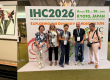
As reported in both the winter and spring HTI newsletter, another HTI graduate and the director at the Institute will be presenting at the International People Plant Conference in Japan this August.
Lara Fahnestock will be presenting: Increasing Tolerance to Nutritious Foods through Garden-Based Interventions
Children with developmental disabilities often face unique challenges with dietary habits and nutrition. In the summer of 2025, I partnered with a behavioral therapist at Firefly Autism to evaluate the effects of a garden-based intervention on increasing tolerance for nutritious foods among children diagnosed with autism. The results were significant. In this presentation, I will share the methods used and the overall findings.
Rebecca Haller, HTI director & lead instructor will present: Horticulture as a Principal Element in Horticultural Therapy
The development, history, and current practice of horticultural therapy reflect a rich and diverse field that is well-suited to addressing a myriad of changing needs and challenges. Horticultural therapy is, and has always been, interdisciplinary in nature with emphases on knowledge and skills in horticulture, human services and specialized horticultural therapy.
Dr. Marsha Vaughn will present with one of her PhD students, Brendan Yukins: Storytelling: An Intervention for Families after Natural Disaster
Dr. Vaughn and Brendan Yukins will also be presenting “Grieving in the Garden: Applying the Dual-Process Model of Bereavement to Horticultural Therapy” at the Canadian Horticultural Therapy Conference (virtual) in October.
Finally, she will be doing a training workshop entitled “Climate Change and Ambiguous Loss: Family Therapy Interventions to Respond to Environmental Decline” at the National Council on Family Relations (NCFR) conference in Minneapolis in November.
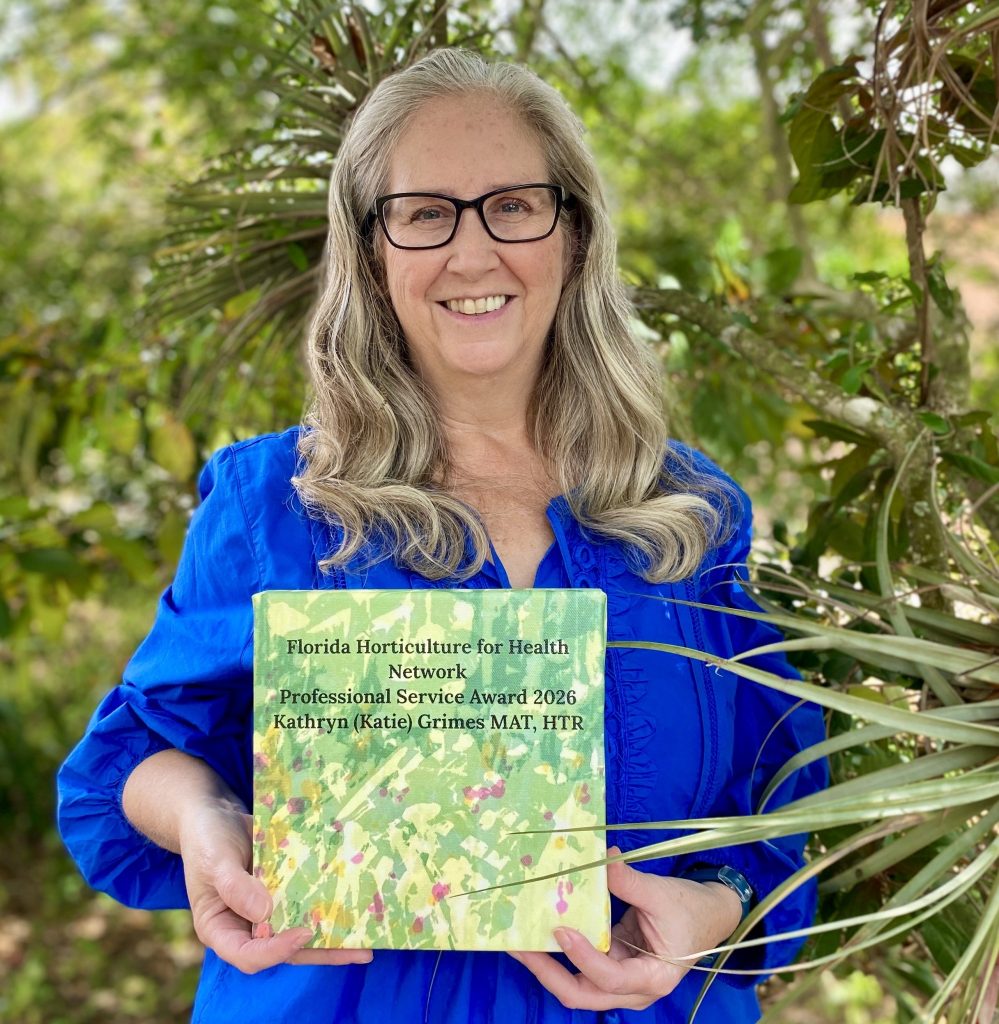
Service Award Winner
Congratulations to HTI graduate Kathryn (Katie) Grimes, MAT. She is the 2026 recipient of the Florida Horticulture for Health Network Professional Service Award. She has made significant contributions to the field of horticultural therapy, taking the lead in introducing the therapeutic horticulture activities database (THAD) to allied health groups, writing articles published in epublications Cultivate and Digging In, as well as co-authoring a 2024 Journal of Therapeutic Horticulture article on TH therapeutic goals. She is a member of the THAD Advisory team, Florida Horticulture for Health Network’s Advisory Team, and is co-author of its monthly eblast Chive Talking.
As always, the Institute is proud of our students and their impact on their communities far and wide.