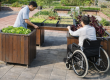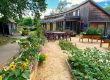
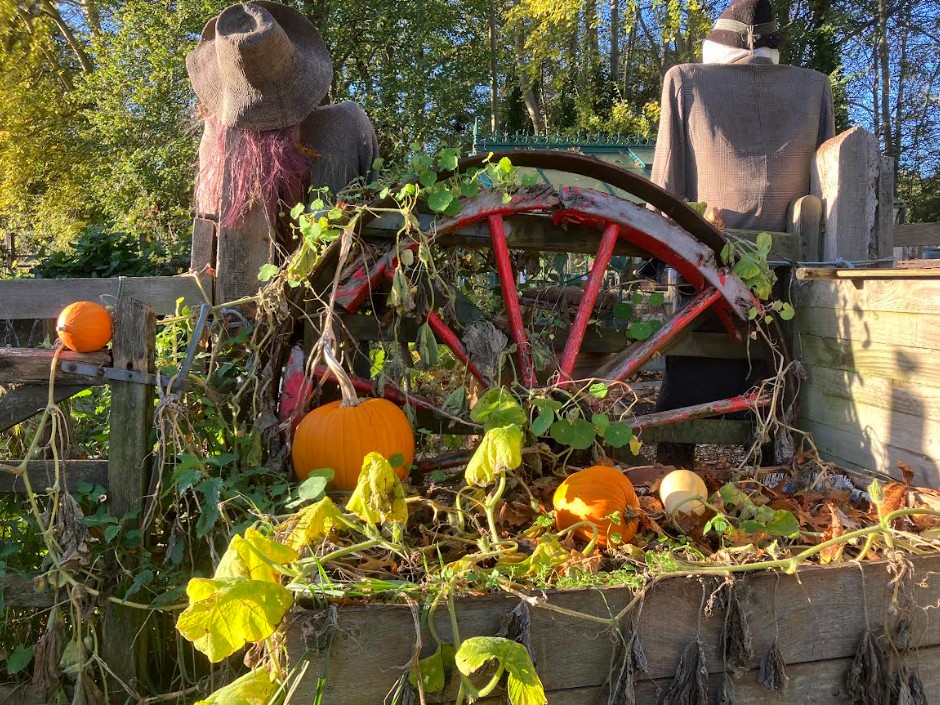
Fridays are for gardening at Holly Lodge Centre. Nestled in Richmond Park on the edge of London (UK), Holly Lodge Centre is an education centre that specializes in nature-based experiences for young people with special educational needs and disabilities. Within this bucolic setting, complete with an 18th century lodge, kitchen garden and modern-day nature trail, a secondary student group attends weekly to sow, plant and harvest. Established in 2008 as a pre-vocational initiative, the program has seen increasing participation from young people with autism, many of whom are non-verbal. The garden provides students with an opportunity to practice life skills such as meeting and working with new people, adapting to new environments, engaging in teamwork and practicing self-regulation.

Even with similar top-line diagnoses, the students with autism present in a multitude of ways. Each gardener brings their own unique traits, behaviours and engagement to the program. There are no diagnosis shortcuts in getting to know the students and predicting and interpreting behaviour. Autism Spectrum Disorder (ASD), as it’s known in full, describes a wide range of potential behaviours and needs. Thinking about spectrums, it can be helpful to consider a colour wheel where something linear (in this case, the colour spectrum) is organized into a circular flow.
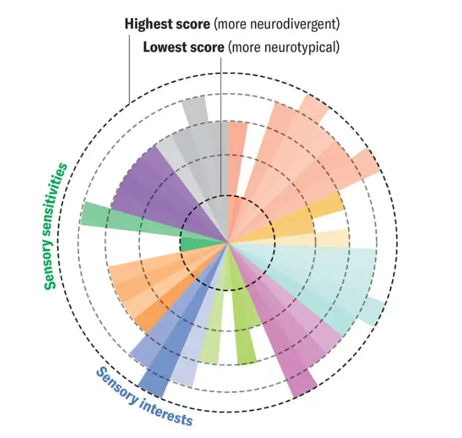
In fact, a similar approach is used when displaying the results of the Autism Symptoms Dimension Questionnaire, a neurodivergence assessment tool. This questionnaire, depicted and explained brilliantly in the Scientific American article, Here’s what the autism spectrum really looks like, measures 39 traits, organized into 10 colour-coded categories, such as Basic Social Communication, Peer Relationships and Sensory Sensitivities. Taking Basic Social Communication as an example, traits such as Difficulties Starting Interactions with Others Without Prompting, Aversion to Eye Contact, etc. are measured and given a score/colour saturation, aligned to how strongly the trait is displayed. The resultant profile provides a unique graphical depiction of an individual (as displayed below) and demonstrates the tremendous variability across the spectrum.
And so, in the words of Dr. Stephen Shore – “If you’ve met one person with autism, you’ve met one person with autism”. Sage thinking when it comes to program development.
Setting Objectives and Structuring the Program
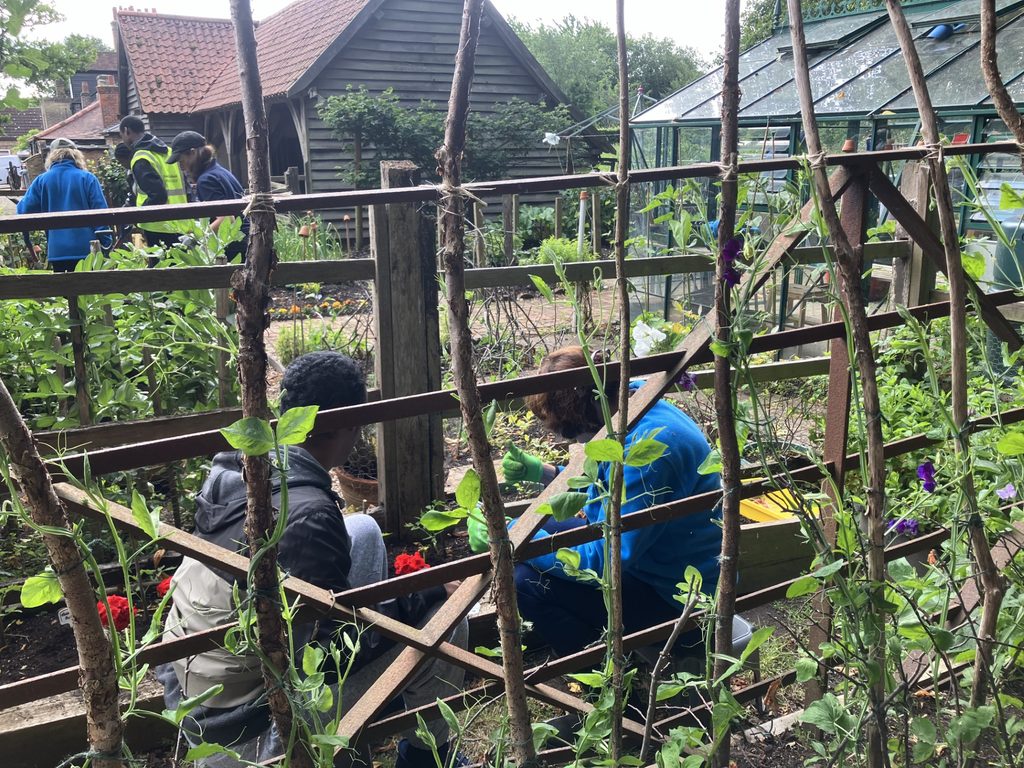
Taking a person-first approach at Holly Lodge Centre, an overview of each student gardener is created, including likes and dislikes, communication strategies and how they can be best supported. Objectives are then set for each student for the gardening year and might look like the following:
- To engage with volunteers with confidence.
- To communicate using the visual charts during plenary – to point/verbally share the jobs completed with confidence.
- To complete tasks for 10 minutes without interruptions.
Program structure has evolved over the years and has been recently fine-tuned because of specialized training offered to staff and volunteers. Consistency and repetition are important building blocks, so the sessions follow a structured approach with elements such as:
- What’s in the bucket? – a warm-up activity to focus attention and prime students for engagement and participation
- Gardening in 1:1 or 2:1 ratio followed by sensory activities on the nature trail as a group
- Plenary discussion with visual aids
- Opening and closing chants
Program Impact Personified
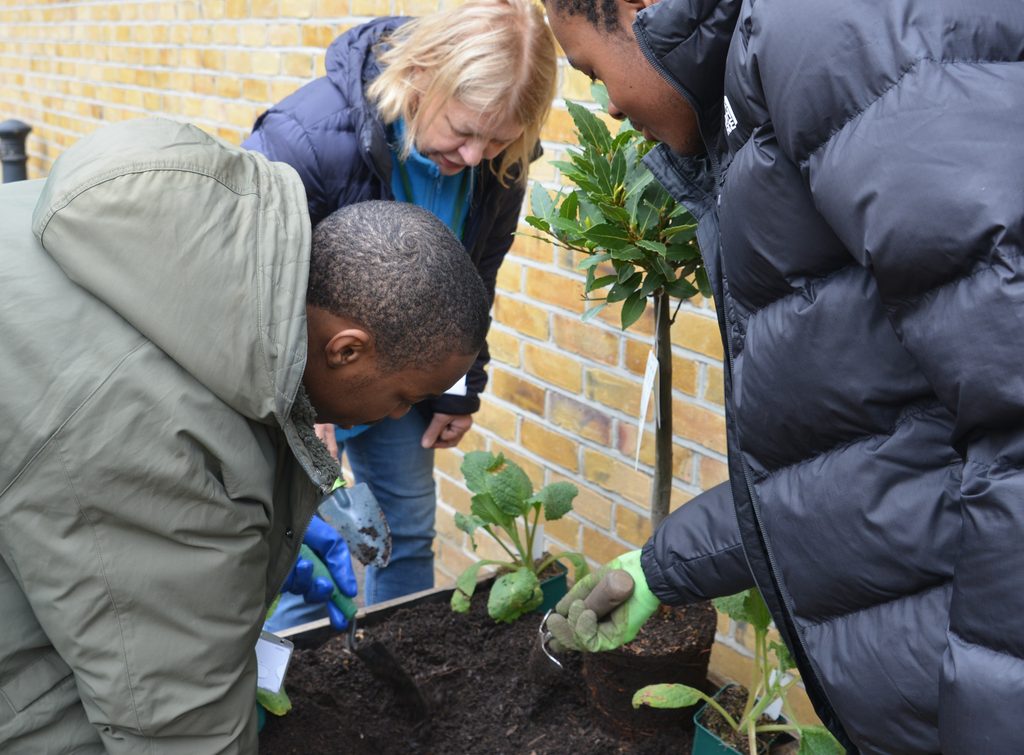
With a structured and consistent program and focus on the unique traits, preferences and strengths of each student gardener, the group has seen incredible transformations. A case study documented by my colleague, Nicky D’Offay, helps illustrate one such transformation:
This case study follows the journey of H whose unique needs require a low-demand environment with minimal verbal communication. He is most comfortable with his own space and finds comfort in familiar objects.
When H first joined the programme, his anxiety was evident. He often appeared distressed and uncomfortable, seeking refuge at the back of the group during introductions and plenaries. He clutched his comfort items, and while he participated in tasks, his engagement was minimal, showing little enjoyment.
Everything changed one day when H was paired with a new volunteer in a secluded, quiet corner of the garden. In this calm space, they worked together to plant and water geraniums. The difference in H was immediate and dramatic. He visibly relaxed, made intermittent eye contact, and with gentle, non-verbal encouragement, he remained focused on the task. His excellent fine motor skills were on display, showing a new level of focus and skill.
Following the session, the staff and volunteers met to discuss the session, noting H’s remarkable shift in demeanor and decision was made to pair him with the same volunteer in the same setting.
The following week, the new strategy paid off in an extraordinary way. For the first time, H chose to sit with the main group. When partnered with the same volunteer, H flashed the biggest smile we had ever seen. Working with his preferred volunteer in a quiet workspace, H spent the session smiling, making eye contact, and showing genuine happiness. One of H’s main objectives for the programme was to accept support and engage with less familiar people—a goal he had now surpassed.
Over the remaining sessions, H transformed into a student who was happy and excited to be at the centre. The signs of distress and anxiety disappeared. He no longer needed his comfort items for support. He laughed, smiled, and confidently sat with his preferred volunteer within the main group, no longer on the periphery. Another objective fulfilled. The culmination of his journey was a moment of immense pride for everyone: he stood in front of the entire group to accept his certificate of achievement, a testament to his incredible progress.
This is just one of the many success stories that have emerged from Holly Lodge Centre. By providing a structured approach to session design and a person-first focus to delivery that considers the unique profiles of each participant, the gardening program continues to thrive, graduating students with skills they can make use of in college and beyond.
Learn More
To delve deeper into autism and the impact of gardening, visit:
GROW Garden (Henry Ford Health)
Gardening and Autism Guide (Thrive)
Youth Sensory Gardening Manual (American Horticultural Society)