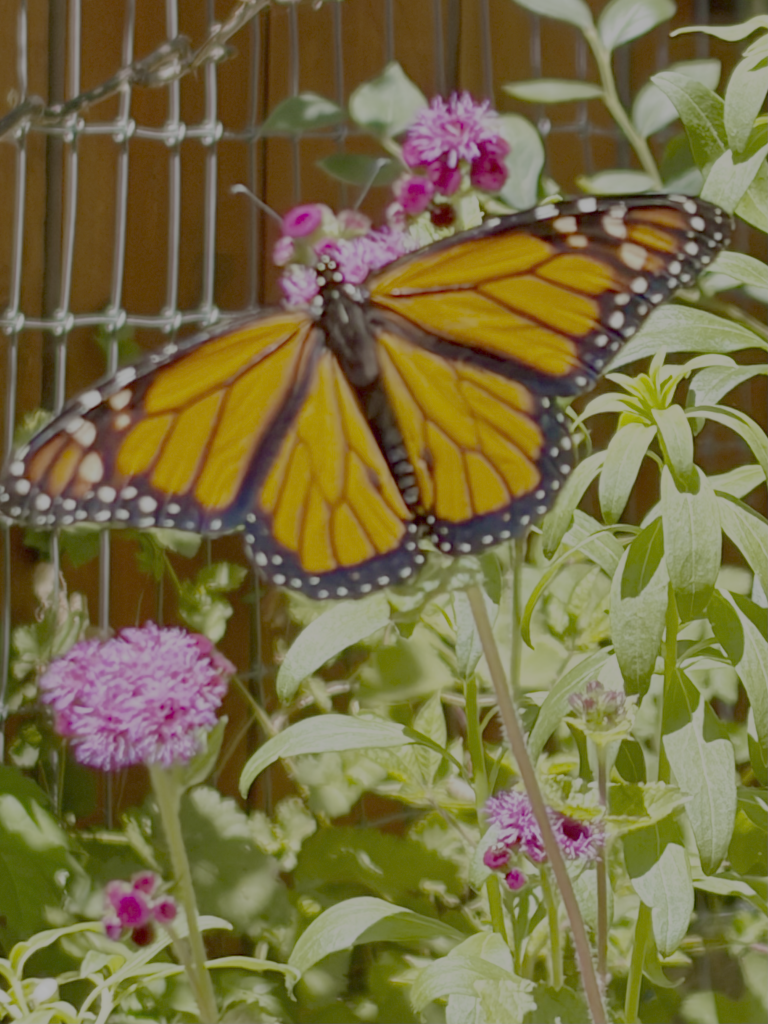
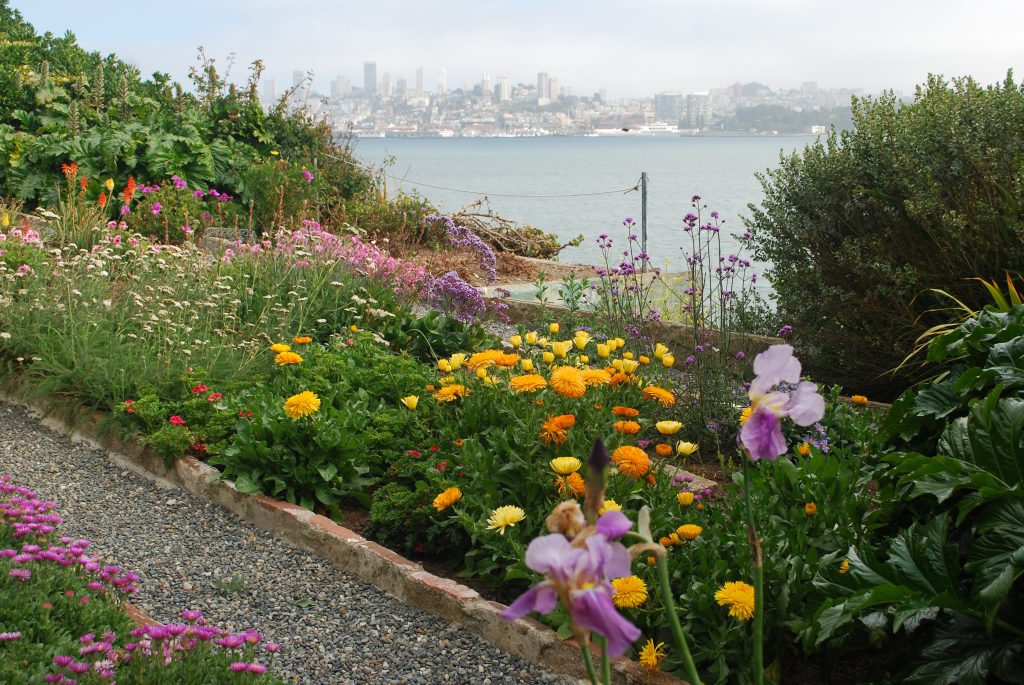
The tomatoes in my garden are finally starting to get some color — it’s been a foggy start to the summer here in the Bay Area. The flowers and herbs I planted in the spring have formed a community that attracts butterflies and bees, which bring me great joy. I wouldn’t have monarchs this year if I hadn’t planted more native butterfly weed, zinnias, or ageratum. Our professional relationships can also work that way — the community we “plant” with colleagues helps us grow and supports our own professional growth. That is why I am really looking forward to this year’s AHTA conference, October 15–18 in San Francisco: hands-on workshops, hours at the San Francisco Botanic Garden, the Alcatraz historic gardens, and both structured sessions and open networking time.
The theme is “Thriving in the Grove: Building Resilience through Horticultural Therapy,” highlighting ways we can grow together to support our clients and each other. New practitioners, students, researchers, and seasoned professionals alike will find something here — and that benefits all of us and those we serve.
This year’s keynote is Jennifer Jewell, author of “The Earth in Her Hands” and host of the award-winning podcast Cultivating Place. Her work centers on the important relationship between people, plants, and the places where we cultivate them. Conference-goers will have a chance to meet Jennifer, purchase her books, and take part in a closing reflection in the redwood grove at the San Francisco Botanic Garden.
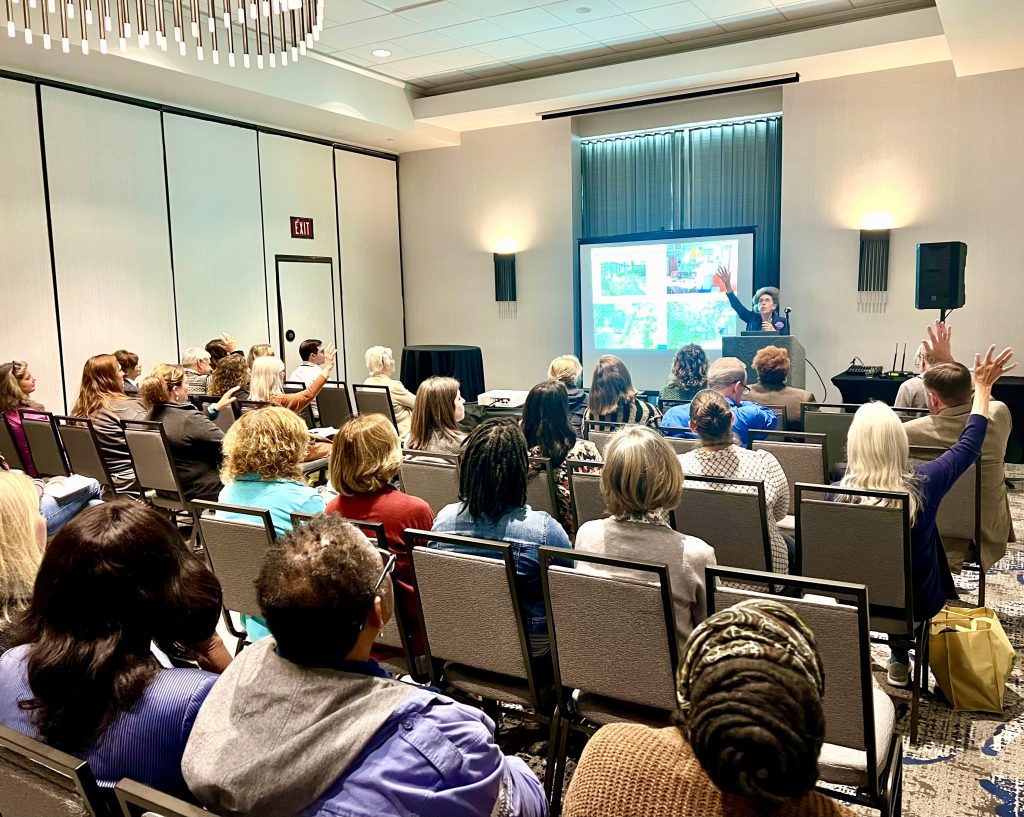
For practitioners, the conference is a chance to step away from the day-to-day and build new relationships. CEUs are available, and sessions are led by practitioners working across a wide range of settings. You can also learn more about AHTA’s new HT-BC board certification, which opens its first exam window later this year.
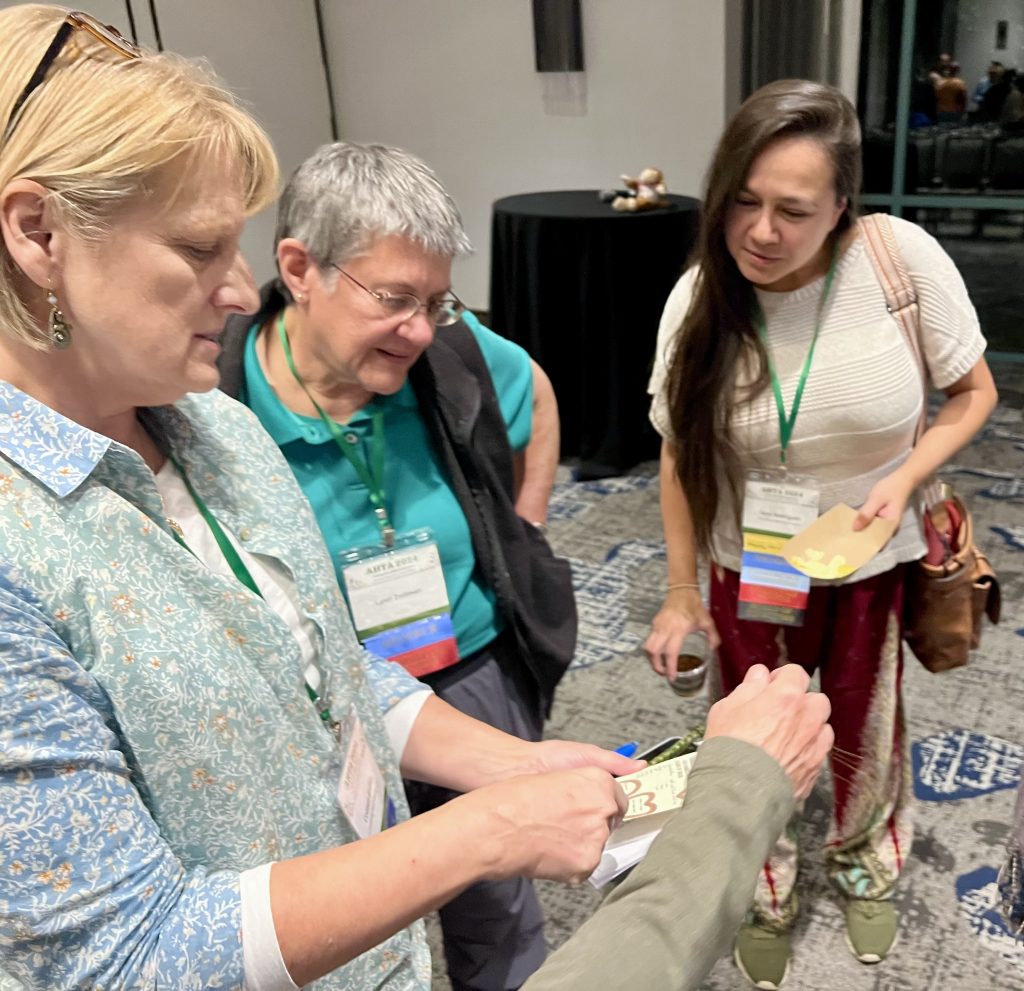
Finding your people matters, and a conference is a fast way to do it. For students and new practitioners especially, meeting mentors and internship supervisors — and getting a clearer sense of where you fit — often happens in a hallway or over coffee. If cost is a barrier, investigate student registration rates and volunteer opportunities, which can open the door for a fraction of the price.
By October, my tomatoes will be gone, and something new will be growing in their place. I am looking forward to professional growth after this fall’s conference — we can make a few new connections, find some fresh ideas, and meet colleagues or mentors we didn’t have before.
I hope to see you in San Francisco this October!